Children in The Sahel Can’t Wait – 10.5 Million Lives at Risk

The Central Sahel (Burkina Faso, Mali, and Niger) is facing one of the world’s fastest-growing humanitarian crises. Over 19 million people, including 10.5 million children, urgently need assistance. Years of conflict, political instability, and environmental shocks such as droughts and floods have left families without food, water, healthcare, or education.

Children in the Sahel face a double burden. Violence displaces families, destroys schools and health centers, and forces children into dangerous situations. Environmental shocks erode land and livelihoods, increasing food insecurity and competition for scarce resources. Girls are particularly vulnerable to early marriage, sexual exploitation, while boys face the risk of forced recruitment. Every child in this region lives under constant threat.

Explosive remnants of war, trafficking, forced labor, and widespread malnutrition are robbing children of their childhoods. Education is often interrupted or inaccessible. The fundamental rights of children to safety, health, and learning are under attack. ChildFund is expanding programs across Mali, Burkina Faso, and Niger to protect children, provide essential services, and restore livelihoods.

0 M

people across Mali, Burkina Faso, and Niger require urgent assistance

0 M

 children displaced and in need of humanitarian aid

0 M

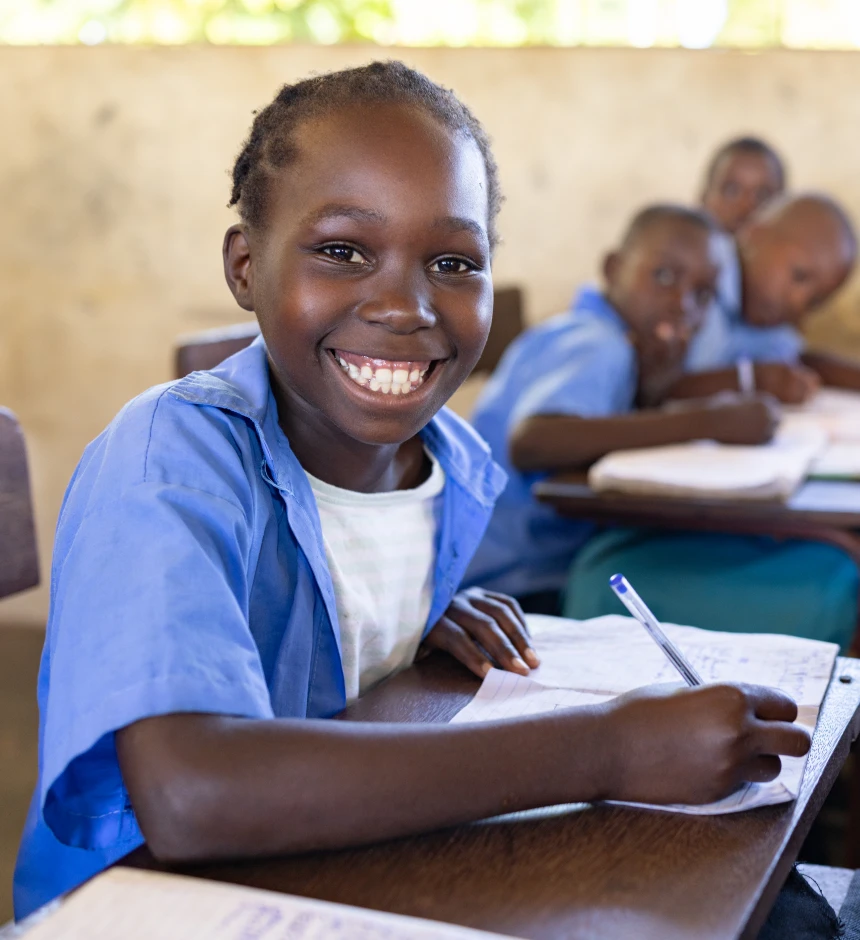
children out of school education because of conflict

0 +

children under 5 suffer from acute malnutrition

0 M+

people have lost access to water and sanitation due to conflict and disasters such as floods

0 %

rise in grave violations against children due to increasing attacks by armed groups. recruitment and use of children, killing and maiming.

OUR WORK

ChildFund is stepping in to stand with children and young people across the Sahel. Together with various governments, members of the ChildFund Alliance, the Joining Forces Alliance, local partners, and donors, we will deliver programs that meet the most pressing needs, starting September 2025.

Our work will focus on displaced children, refugees, and vulnerable families within host communities, prioritizing protection, education, food security, psychosocial support, peacebuilding, and social cohesion.

Safe and Protective Learning Environments

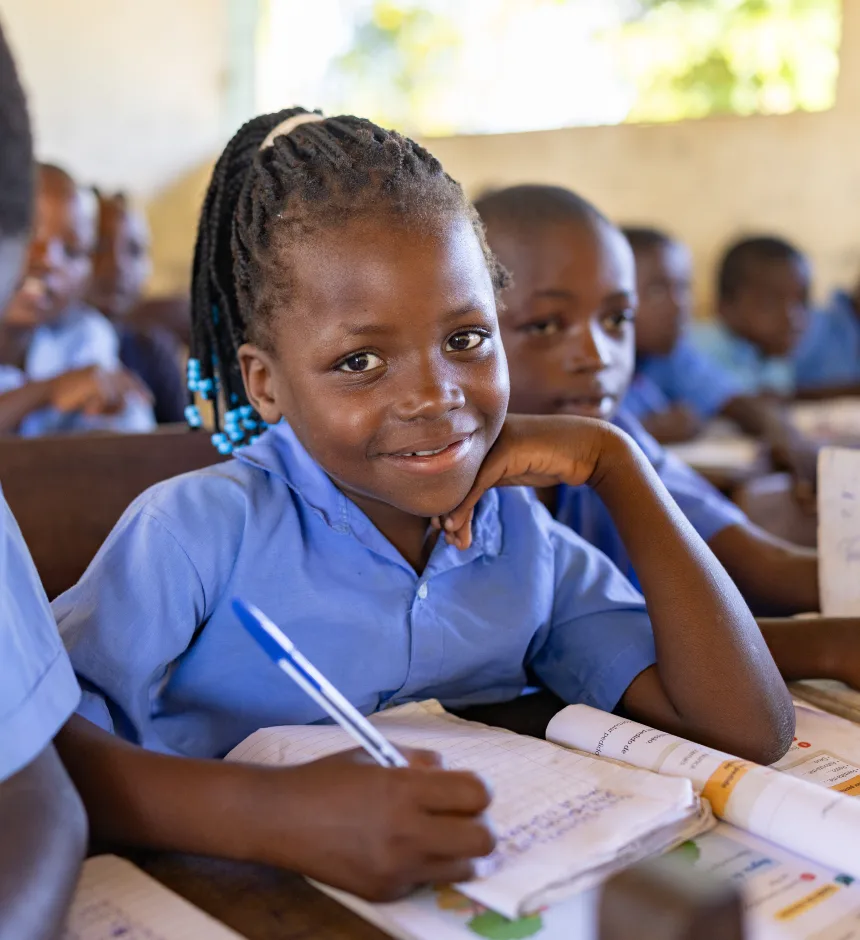
  • Create temporary learning spaces and rehabilitate schools for displaced children.
  • Train teachers and community facilitators in safeguarding, conflict-sensitive teaching, and classroom management.
  • Put School Safety Plans and Codes of Conduct in place.
  • Distribute learner and teacher kits to support continuity of education.

Accelerated & Flexible Learning Opportunities​

  • Run accelerated learning programs to help out-of-school children catch up.
  • Provide flexible, mobile, and remote learning for displaced children and those in hard-to-reach areas.
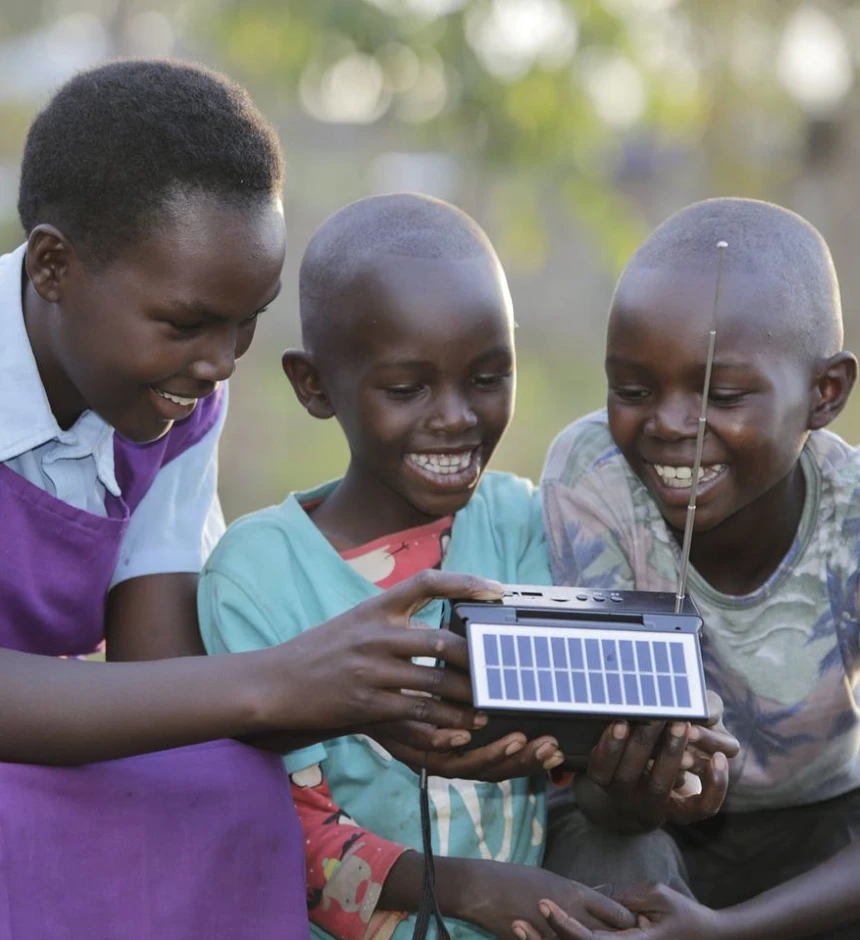
  • Use radio, tablets, and hybrid approaches where schools are inaccessible.

Mental Health and Psychosocial Support (MHPSS)​​

  • Integrate structured play, storytelling, and creative expression into daily learning.
  • Train teachers in Psychological First Aid (PFA).
  • Set up child-friendly spaces linked to schools for recovery and play.
  • Promote peer support and life skills for adolescents.

Child Protection in and Around Schools

  • Map and respond to risks such as child recruitment, trafficking, and early marriage.
  • Strengthen community-based protection systems and referral pathways.
  • Train school staff and communities to recognize and respond to risks.
  • Involve caregivers and leaders in creating protective environments.

Inclusive Education​

  • Provide dignity kits and gender-segregated WASH facilities to support girls’ learning.
  • Create girl-friendly spaces and mentorship opportunities.
  • Integrate inclusion, prevent violence against girls, and reproductive health into life skills programs.
  • Support pregnant girls and young mothers to return to school.

Preventing and Treating Child Malnutrition

  • Use cash or voucher assistance so families can access food with dignity.
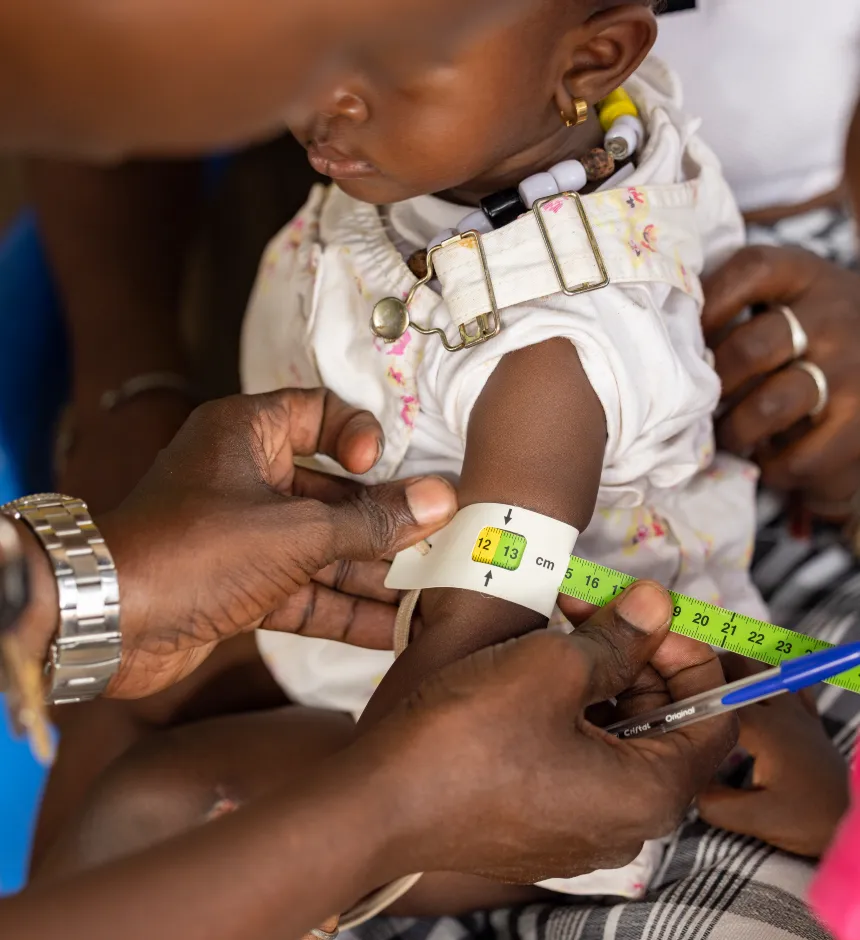
  • Screen children for malnutrition and provide referrals.
  • Support community-based management of acute malnutrition (CMAM).
  • Provide therapeutic feeding for malnourished children and mothers.
  • Train caregivers on safe infant and young child feeding practices.

Psychosocial and Protection Support​

  • Integrate psychosocial support into food distribution and child-focused spaces.
  • Train staff and partners to identify and refer protection cases linked to hunger.
  • Provide safe spaces where food, nutrition, play, and emotional support come together.

Child-Sensitive Cash and Voucher Assistance (CVA)

  • Deliver unconditional cash assistance for vulnerable households, especially women- and youth-headed.
  • Link cash transfers to child protection monitoring to prevent harmful coping mechanisms.
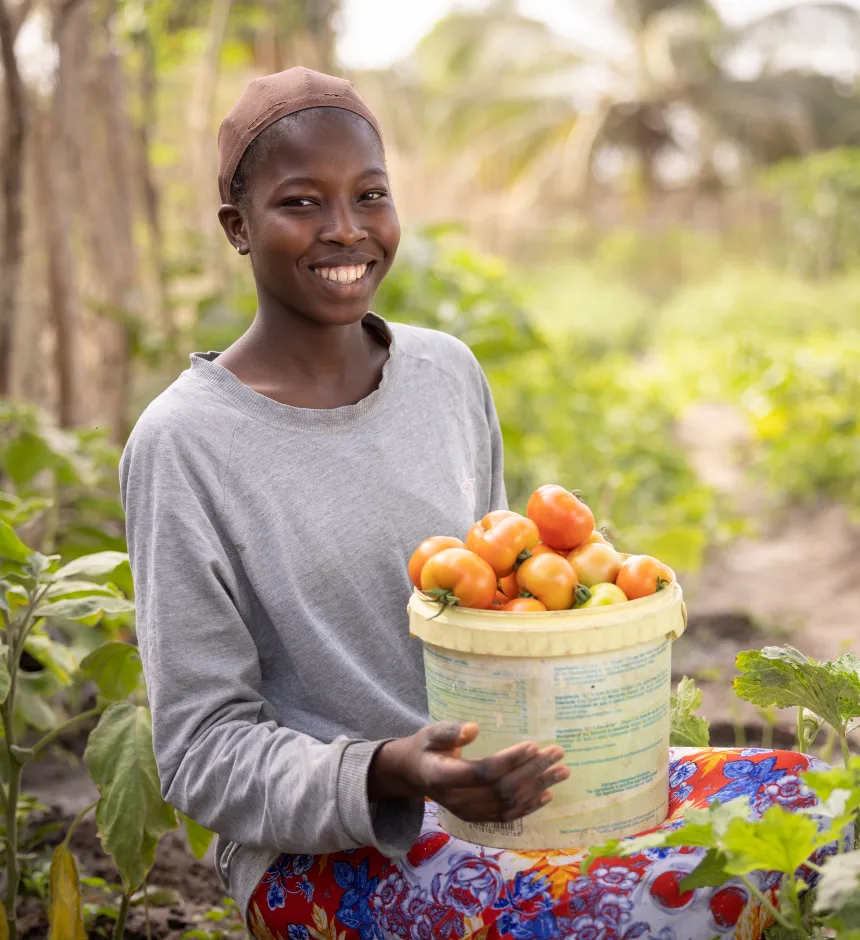
  • Support quick food production through home gardens and fast-yield crops.
  • Launch cash-for-work programs tied to food security.

Building Resilient Livelihoods

  • Provide youth and parents with livelihood opportunities to rebuild economic stability.

Peacebuilding and Social Cohesion

  • Integrate peacebuilding across all programs to foster stronger, safer communities.

Recent News