Without strong food security and livelihoods, Africa risks losing a generation to hunger and poverty.

For millions of families in Africa, food security and income are inseparable. Nearly 44 percent of Africa’s workforce is employed in agriculture, most of it small-scale family farming that produces the majority of food consumed locally. When livelihoods are disrupted by climate shocks, conflict, or rising living costs, families lose both food and income at the same time.

Children are often the first to feel the impact. Food shortages and income loss contribute to malnutrition, poor health, school dropout, child labour, early marriage, and other harmful coping strategies.

ChildFund works to ensure children are well nourished, caregivers are economically secure, and communities are resilient to shocks. Our food security and livelihoods programming strengthens small-scale food systems, income opportunities, and household resilience, recognizing that secure livelihoods are essential to children’s survival, development, and protection.

Our Impact

Facts and  figures from 2024 data.

OUR WORK

The quality of children’s growth and future opportunities depends on the strength of their household food security, community resilience, and national livelihood systems. ChildFund works across all these levels, with special emphasis on sustainable agriculture, climate-smart food production, nutrition, and income-generating opportunities for families.

We partner with local organizations, farmer groups, and relevant ministries in all our program countries to strengthen food systems, build economic resilience, and empower communities to lead their own pathways toward food security and sustainable livelihoods.

Click on a country below to learn more about our food security and livelihoods programs.

Smart Agriculture & Food Systems

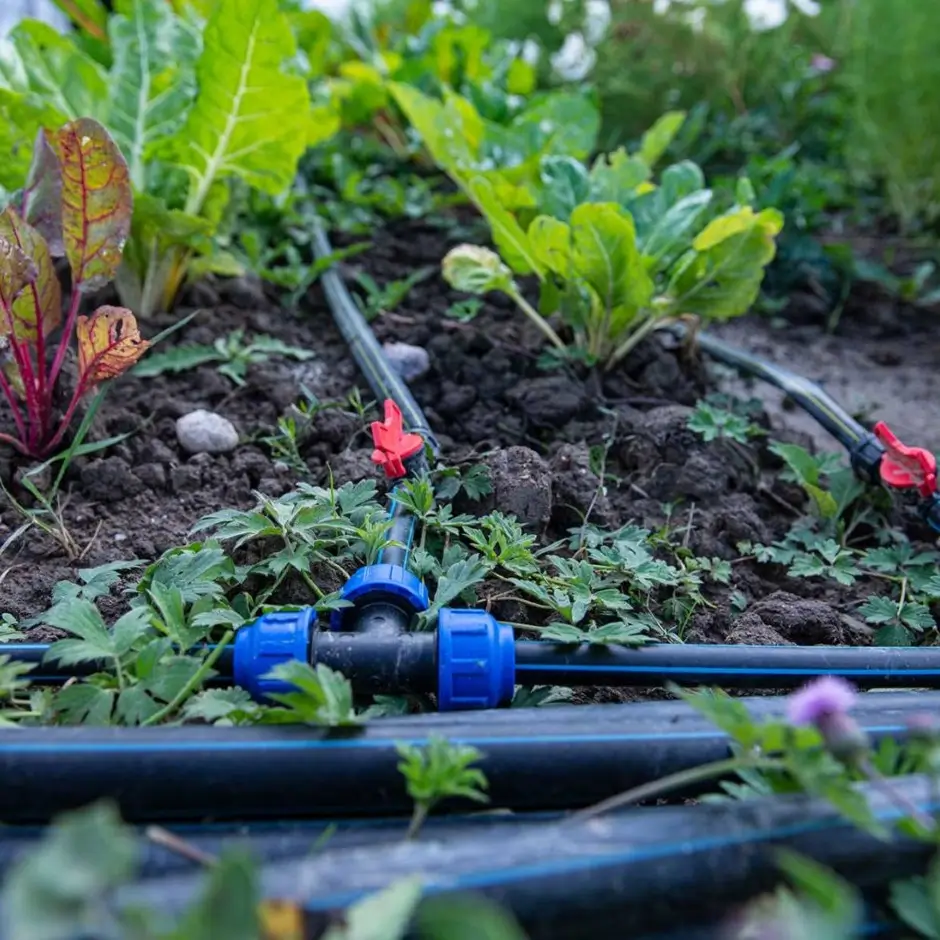
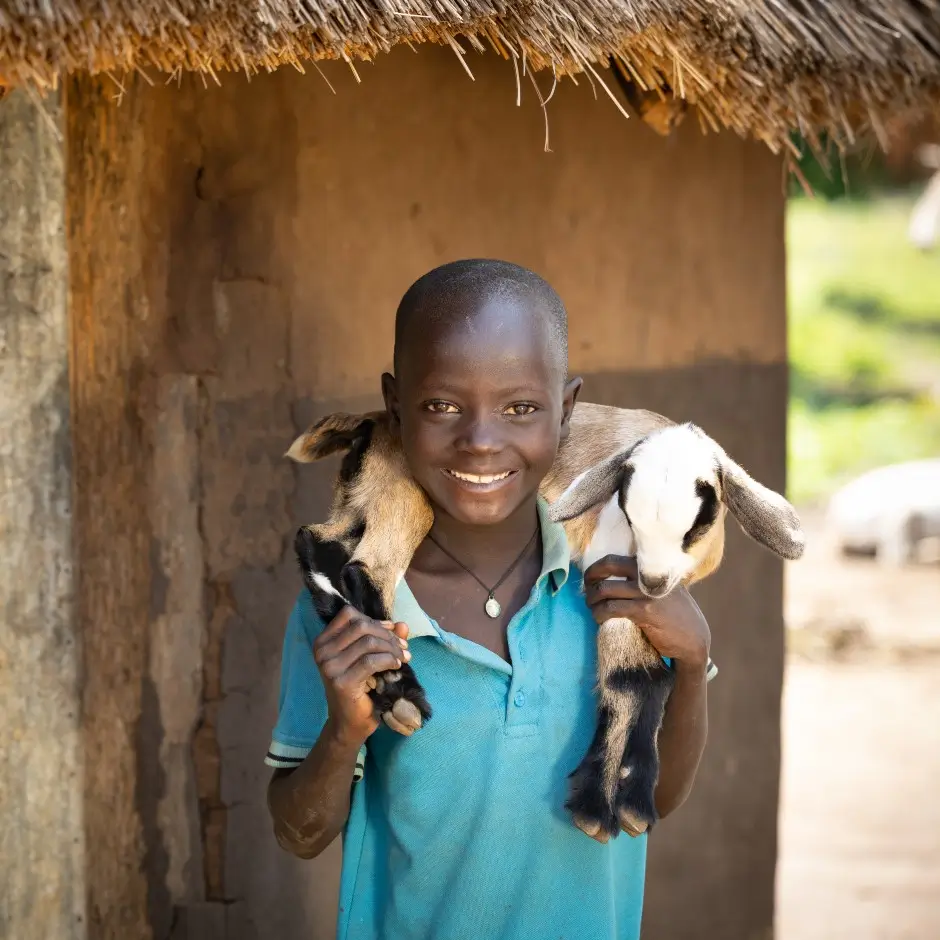
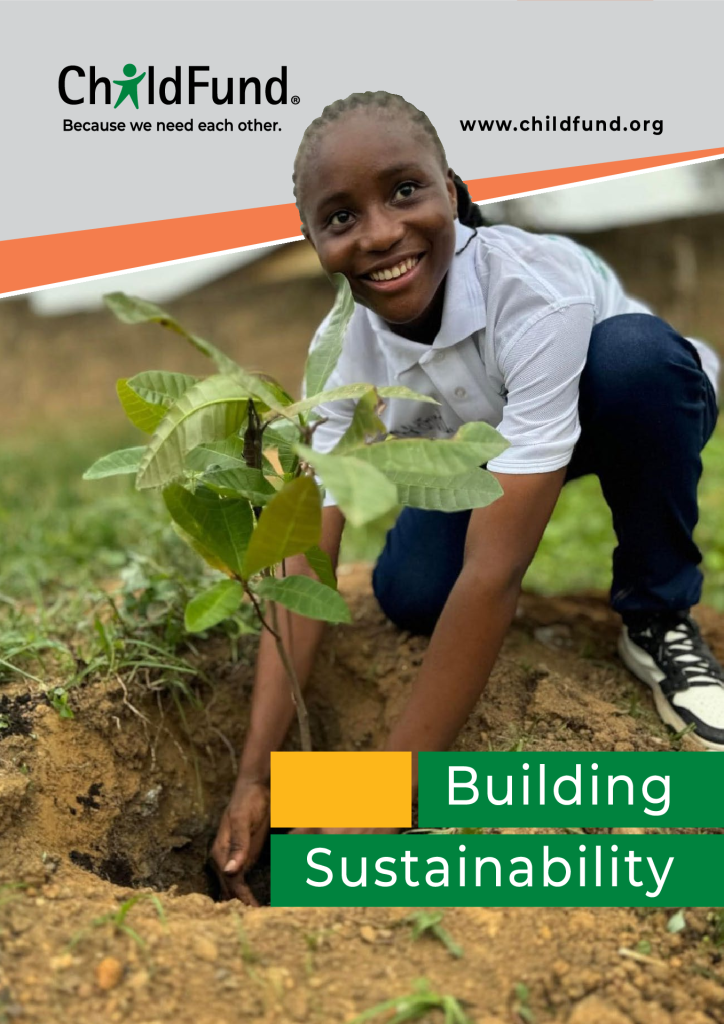
Smallholder farmers form the backbone of food production across Africa but face growing risks from climate variability, land degradation, and limited access to markets. ChildFund supports families to increase food production, improve nutrition, and adapt to climate change through climate-smart and nutrition-sensitive agriculture.

Our approach strengthens local seed systems by supporting farmer networks, seed hubs, and small-scale seed enterprises, ensuring access to high-quality, climate-resilient seeds. We promote soil and water conservation, small-scale irrigation, post-harvest storage, and market linkages, turning sustainable farming into reliable food and income for communities.

Featured projects:

Village Savings and Loan Associations (VSLAs)

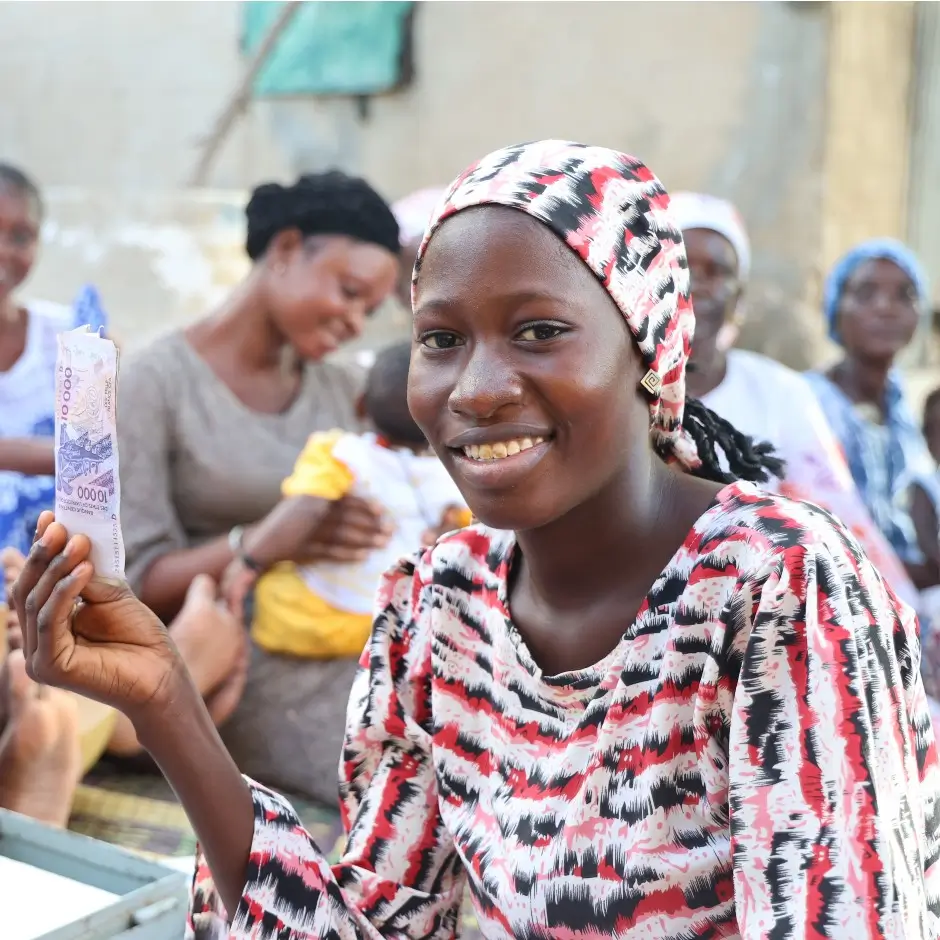
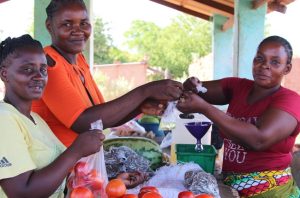
ChildFund promotes financial inclusion for women, rural youth, refugees, and persons with disabilities in marginalized communities. Through Village Savings and Loan Associations (VSLAs), members save securely, access small loans, build financial skills, and invest in income-generating activities.

VSLAs are linked with entrepreneurship training, skills development, and market access, ensuring financial services lead to real economic gains and sustainable household income. Beyond financial services, VSLAs engage members in child protection initiatives, and community development projects, strengthening both their livelihoods and the well-being of children and the wider community.

Featured project:

Youth Employment & Workforce Readiness

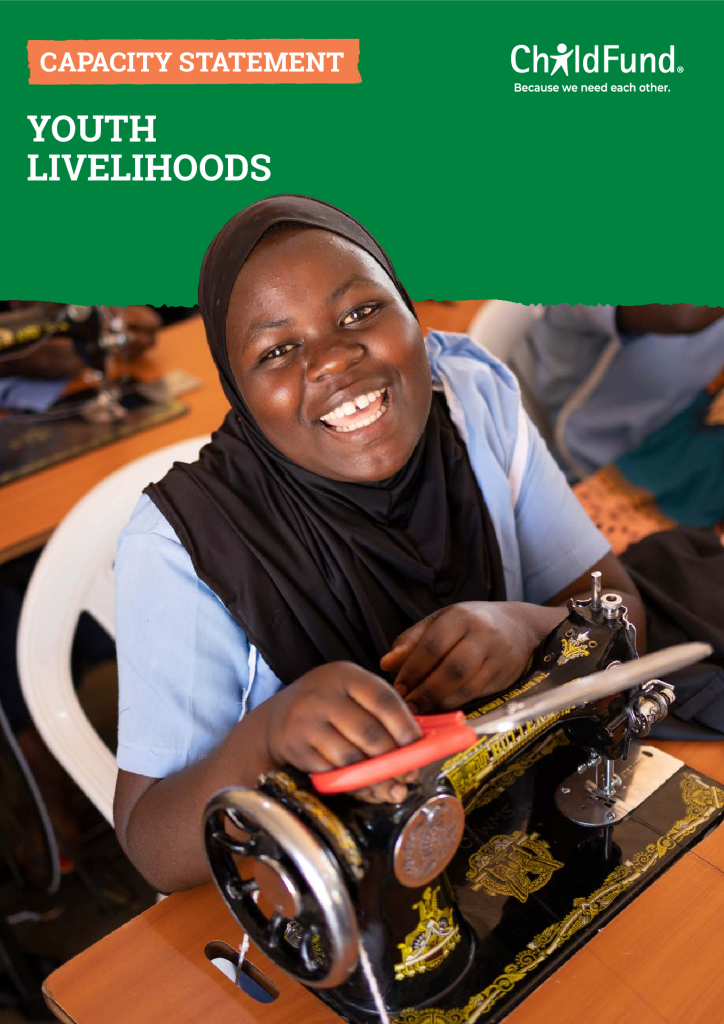
Rapid technological change and shifting labour markets continue to limit young people’s access to decent work. Many lack market-relevant skills, mentorship, and pathways into employment or entrepreneurship. 

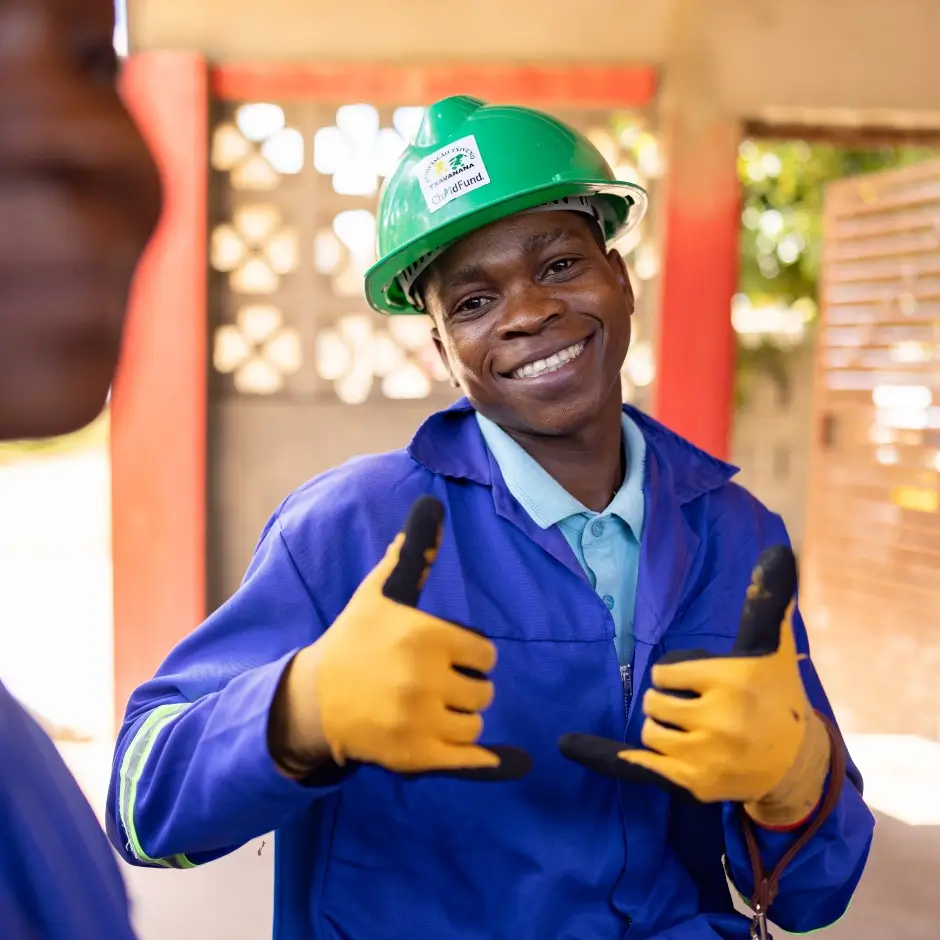
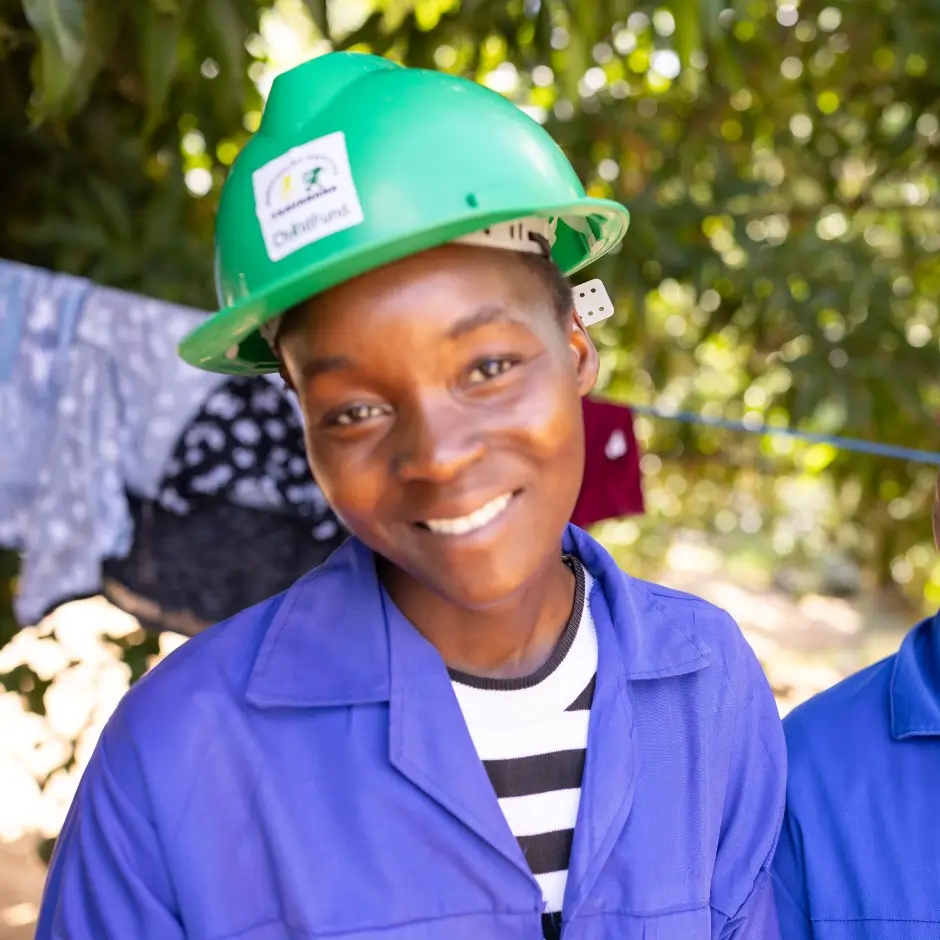
ChildFund supports young people to build technical, digital, and life skills that improve employability and income generation. Programs combine vocational training, entrepreneurship support, digital literacy, and mentorship, informed by job market assessments and employer partnerships. Our growing focus on social and green entrepreneurship positions young people to build sustainable livelihoods while contributing to environmental and community solutions.

Featured projects:


Women’s Economic Empowerment

Women play a central role in household food security and income generation but face systemic barriers to land ownership, finance, skills, and markets. ChildFund strengthens women’s economic participation to improve household stability and child well-being.

Our programs support women through savings groups, business development, access to productive assets, and leadership training, ensuring income gains benefit children’s nutrition, health, and education.

Featured projects:

Market Linkages & Private Sector Partnerships

Access to markets is key for smallholders and entrepreneurs to turn skills and production into sustainable income. ChildFund works with cooperatives, buyers, and private sector partners to strengthen value chains, improve market access, and create viable livelihoods.

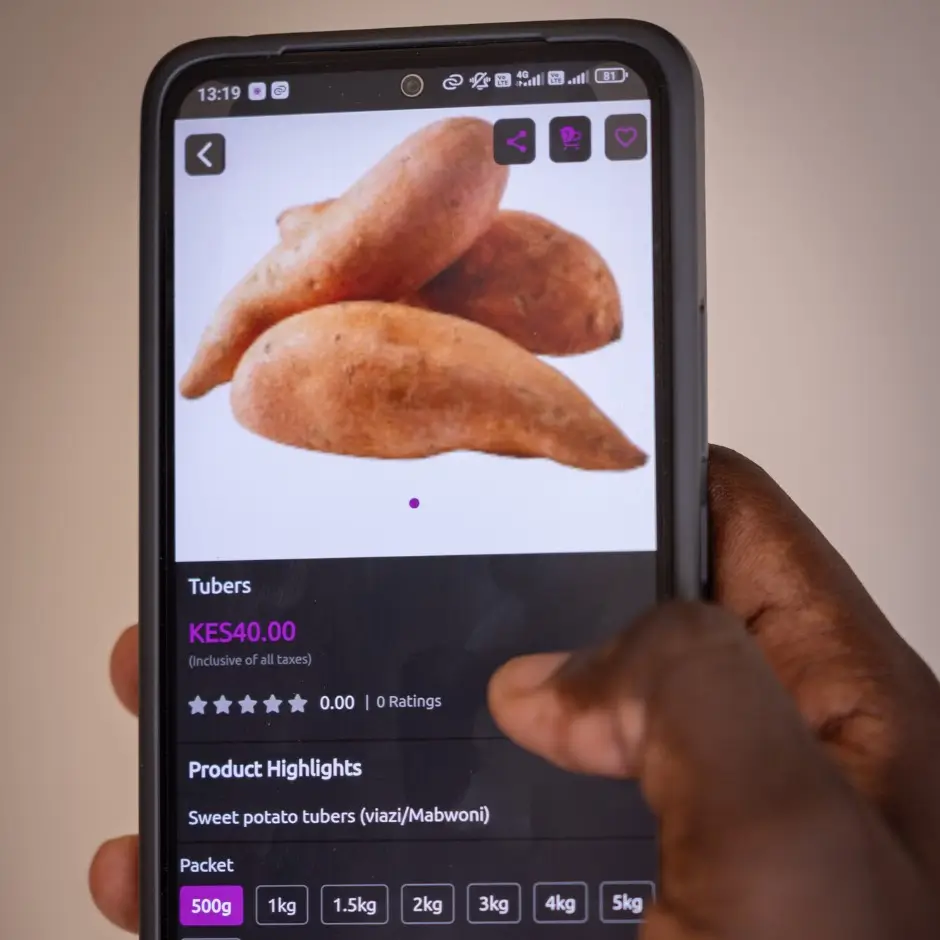
We link producers to local, regional and international markets, through multiple platforms, including digital and mobile-based marketplaces, as well as access to inputs and services. This ensures farmers and entrepreneurs can sell their products efficiently, increase profits, and build resilience over time.

Featured project:

Refugee & Fragile Context Livelihoods

In fragile and displacement-affected contexts, families face restricted livelihoods, limited mobility, and weak markets. ChildFund supports context-appropriate livelihood options that promote self-reliance and social cohesion.

Interventions include small business support, cash-based livelihoods, vocational skills training, and financial inclusion for both refugees and host communities.

Featured projects:

Project Spotlight

Orange-fleshed sweet potato farming in arid Turkana and Samburu communities in Kenya

In arid Turkana County, Kenya, a ChildFund program funded by BMZ and ChildFund Deutschland has transformed livelihoods and reduced child malnutrition from over 30% to around 19–21% by promoting vitamin-rich orange-fleshed sweet potatoes (OFSP).

The project supported families through producer groups, community seed systems, value addition, and modern infrastructure such as boreholes, irrigation systems, eco-sheds, and a processing plant managed by women. Farmers received improved planting materials, climate-smart training, and access to local and regional markets, while communities benefited from nutrition education and school feeding programs.

In Central Turkana alone, OFSP cultivation rose from 1% to 98.4%, covering 70 acres, with adoption of smart practices such as ridge planting (96%), vine conservation (49%), and irrigation systems (50.3%). Within 2 years, farmers harvested 128.4 metric tons, feeding 8,000 children under five in ECD centers and significantly reducing vitamin A deficiency. Watch this video to learn more about the project.

Recent News

Zambia

Clean Energy Solutions for Families in Kafue District – From Firewood to Biogas

Over 80% of households in Zambia rely on firewood or charcoal for cooking, contributing...

Read More

Zambia

ChildFund, We Effect, Civic Forum and Habitat launch EU-Funded Women Empowerment Micro-Enterprise Support Project

As a co-implementer, ChildFund will play a central role in supporting vulnerable women and...

Read More