
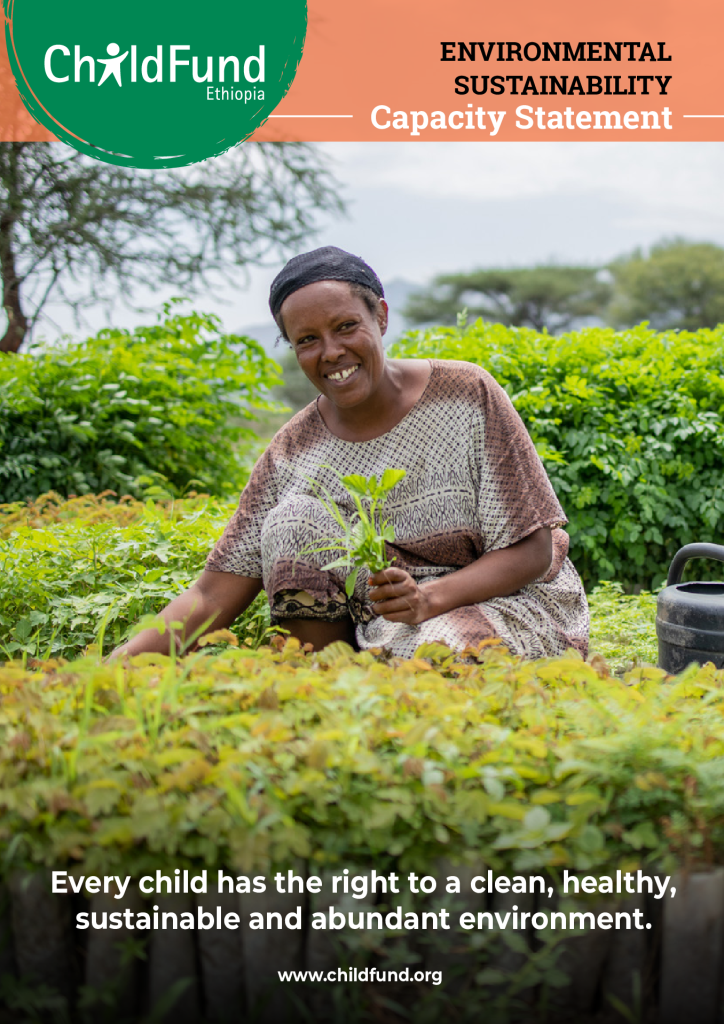
Every child has the right to a clean, healthy, sustainable and abundant environment.

Every child has the right to grow up in a clean, healthy, sustainable and abundant environment. Yet across Africa, this right is under severe threat. Rising temperatures, biodiversity loss and pollution are reshaping lives and livelihoods. Extreme shifts in weather patterns such as erratic rainfall, prolonged droughts, devastating floods and intense heatwaves are becoming more frequent, particularly in East and West Africa.

According to UNICEF’s Children’s Climate Risk Index, 39 out of 49 African countries assessed fall into “extremely high” or “high” risk categories. For children, this translates into harsher realities: malnutrition caused by food insecurity, disrupted education from displacement or school closures, and greater exposure to child protection risks such as early marriage and child labor. These overlapping crises compound, denying children the chance to grow up healthy, educated, skilled, safe and prepared to lead the future. Safeguarding their right to a safe and sustainable environment is therefore not optional. It is urgent and essential.

Our Impact

Facts and  figures from 2024 data.

OUR WORK

ChildFund’s sustainability strategy is rooted in systemic, child-centered change to secure every child’s right to a safe, clean and healthy environment. Children are the least responsible for the current challenges we are faced with, yet they bear the heaviest burden. Recognizing the triple planetary crisis of extreme and irregular weather, biodiversity loss and pollution as one of the greatest threats to children’s development, we are embedding sustainability across everything we do. We work with children, youth, communities, local partners organizations, governments, civil society, the private sector and international development partners to scale sustainable solutions that protect children and nature together.

Click on a country below to learn more about our sustainability programs.

Our Approach

Nature-Based Solutions for Livelihood Resilience

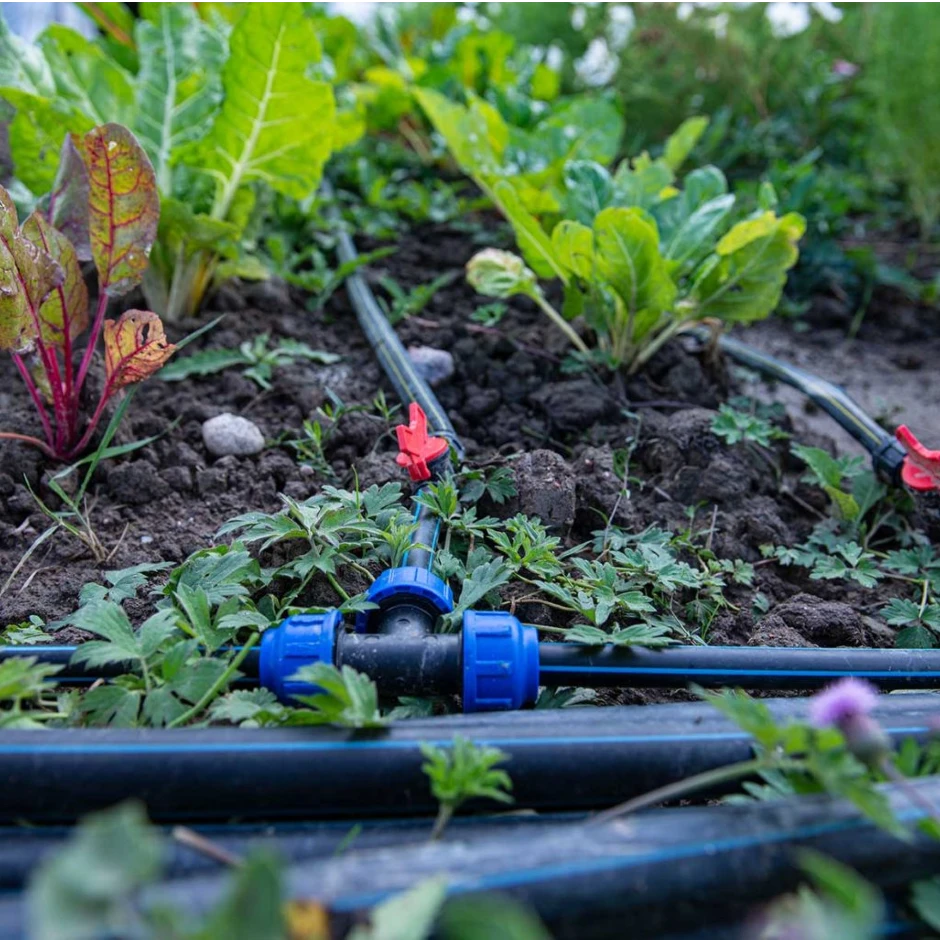
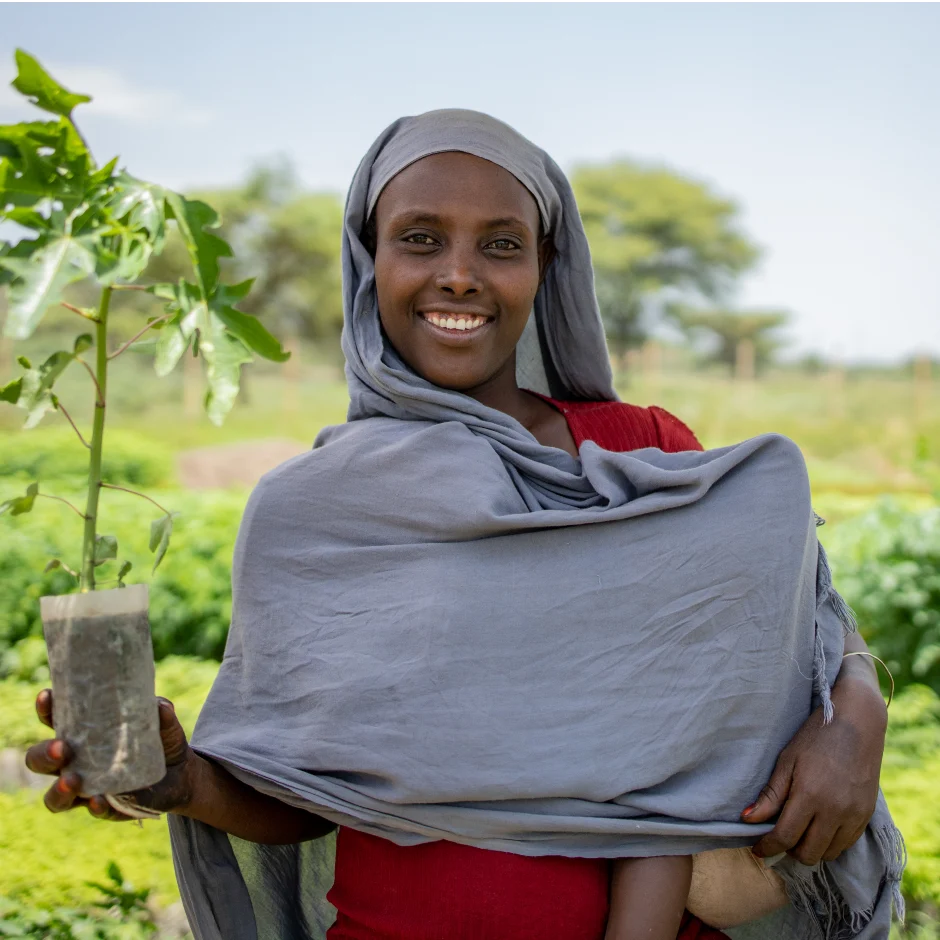
ChildFund advances community-led, nature-based solutions that integrate smart agriculture, sustainable agroforestry, soil conservation, beekeeping, and energy-efficient irrigation systems. These green livelihood approaches restore degraded ecosystems, enhance biodiversity, and build resilience to environmental shocks, while directly improving household food security and incomes.

Featured Projects: 

Children and Youth Championing Environmental Stewardship

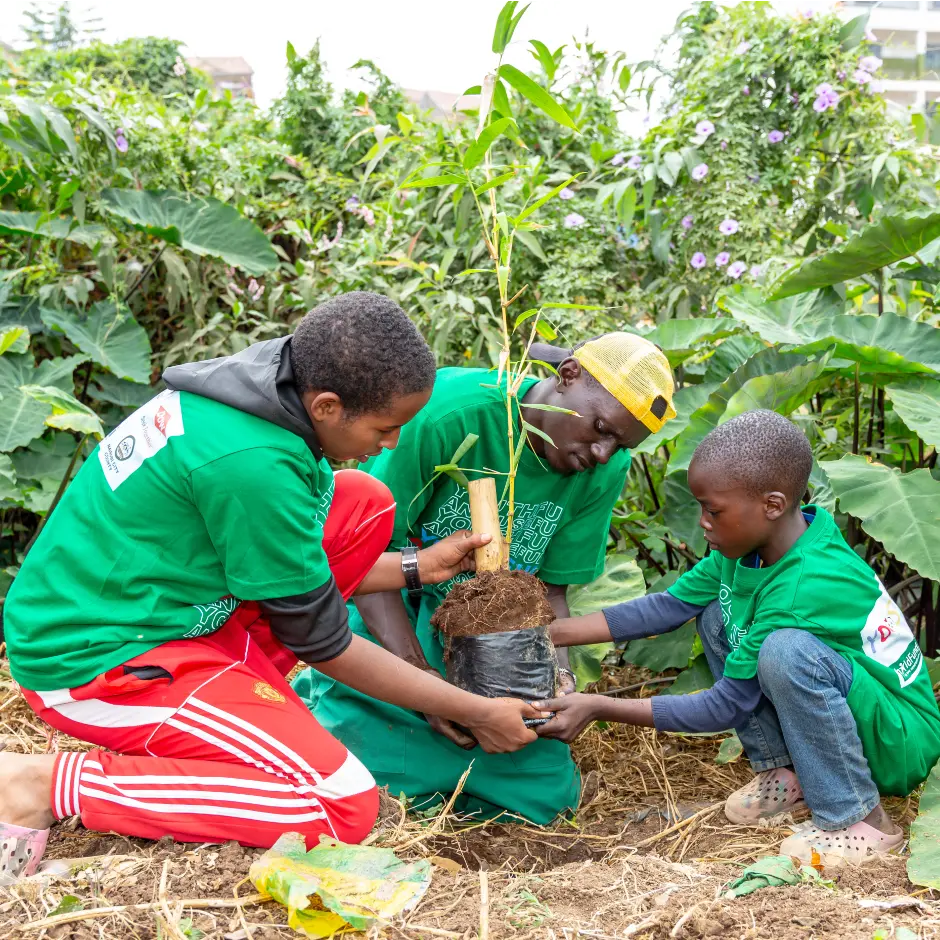
Children leading the way in environmental action start naturally in and around schools. Therefore, ChildFund works with young advocates to lead community-driven initiatives, inspiring their peers and driving grassroots action for environmental stewardship and reconnections with the land and nature. ChildFund supports schools’ clubs and communities to regenerate the land and nature by leading conservation, waste and water management initiatives through Aflatoun and Disaster Risk Reduction clubs.

Featured Projects:

A Pan-African Youth-Led Environmental Protection Campaign

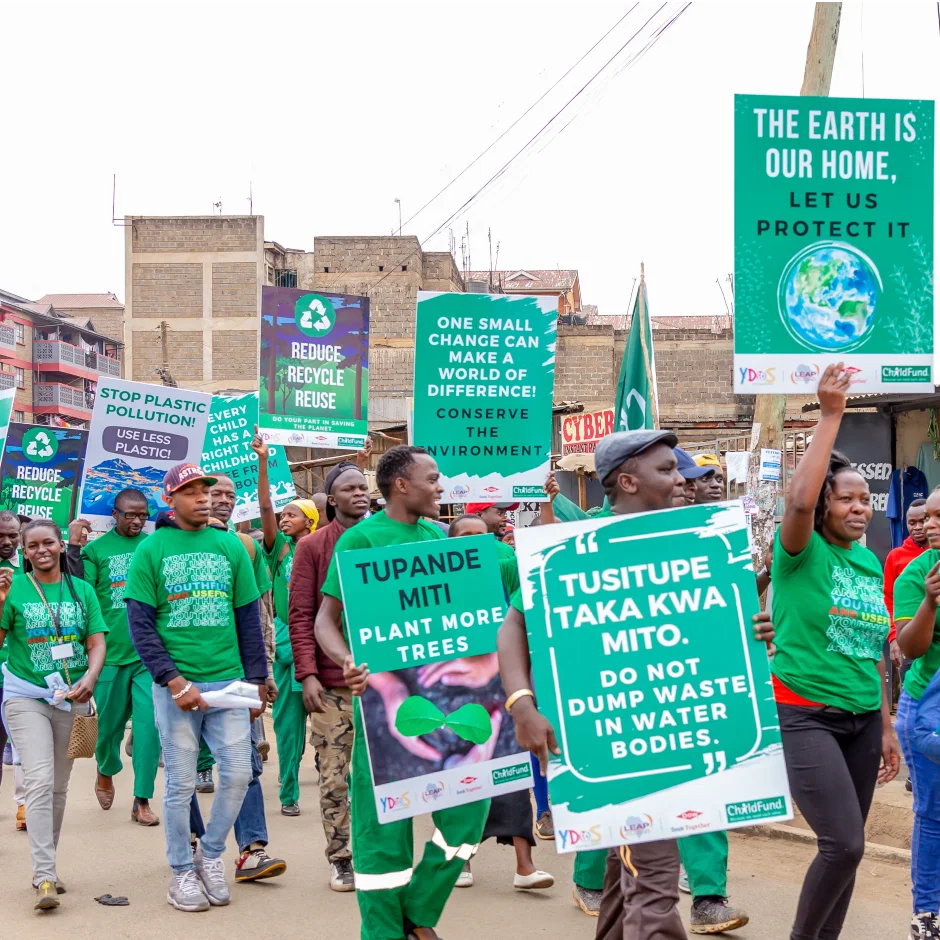
With more than 60% of Africa’s population under the age of 25, ChildFund is helping to put young people at the forefront of environmental stewardship and community development. Through the annual Youth Day of Service—a week-long Pan-African campaign, ChildFund in partnership with LEAP Africa and with support from Dow Chemical— equips youth with the skills, tools, and platforms to lead change aligned with the Sustainable Development Goals.

Renewable Energy and Clean Approaches for Just Transitions

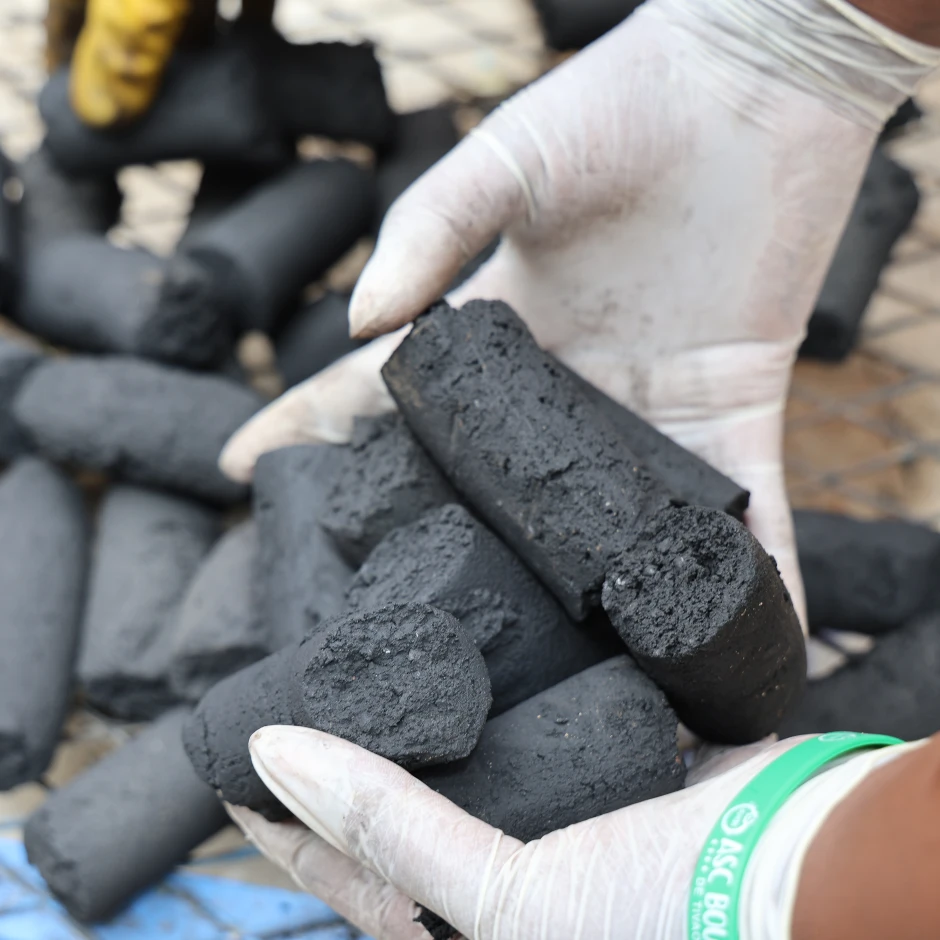
ChildFund is advancing just transitions through renewable energy and clean technologies that align with national climate strategies. Our work introduces solar power, biogas, and energy-efficient cooking solutions, alongside circular economic initiatives in plastic and waste management, to reduce emissions and protect natural resources. In schools and households, solar installations are improving learning conditions, strengthening child protection, and enabling community services to operate sustainably.

Featured Projects:

Sustainability Education & Advocacy for Children and Youth

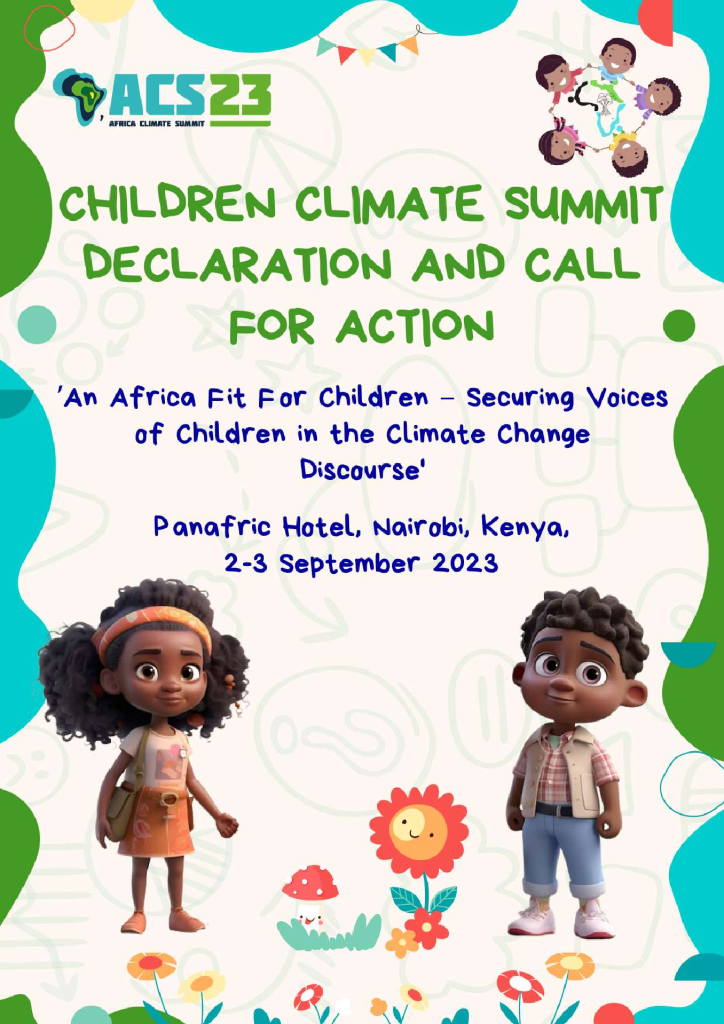
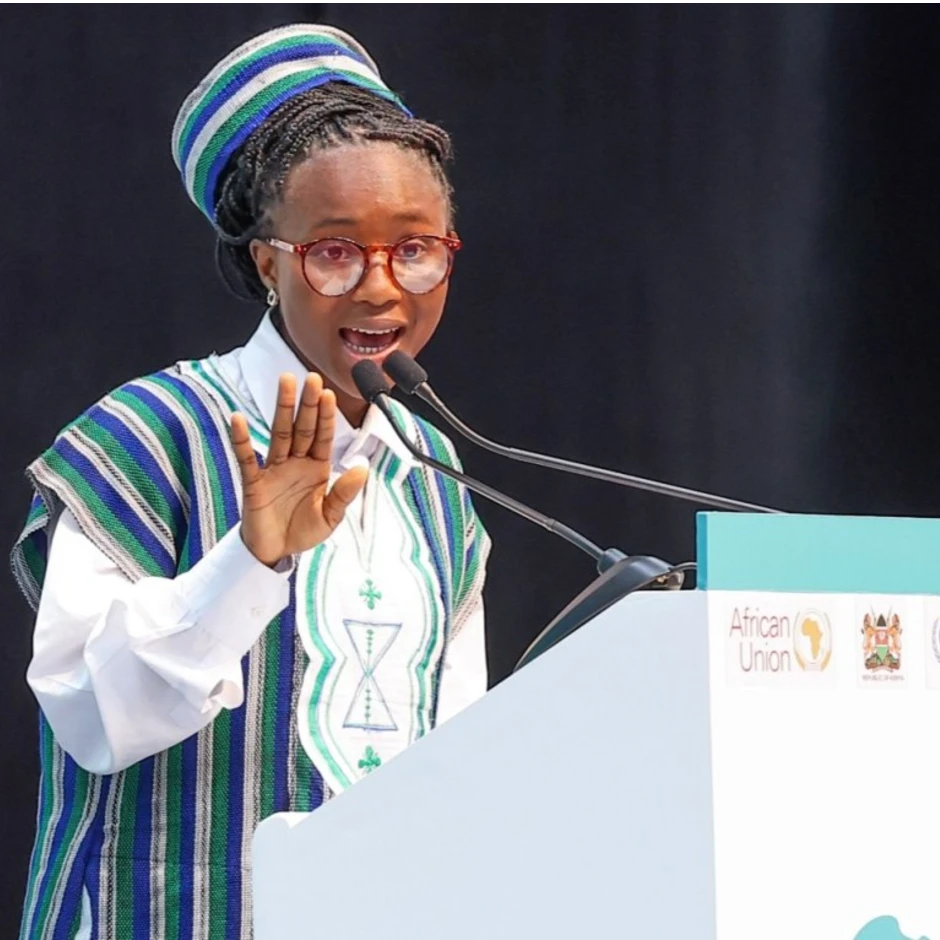
ChildFund supports children and youth to become influential advocates for environmental sustainability, ensuring their voices shape policies and sustainability strategies at global, regional, and national levels. Through active participation in key platforms, including UNFCCC COP28, COP29, UNCCD COP 16, Kenya’s NDC review process, NAP Expo and the Africa Climate Summit, young leaders have championed the rights and needs of future generations in decision-making.

Featured Projects:

Sustainability Action in Humanitarian and Peacebuilding Contexts

ChildFund integrates environmental sustainability into its humanitarian interventions to ensure that emergency response builds the foundation for long-term resilience. Across Africa, we combine lifesaving relief with environmental restoration, biodiversity protection, and conflict-sensitive approaches. From providing safe spaces, school supplies, and emergency food aid in the wake of floods and cyclones, to planting drought-resistant trees in disaster-affected schools, our efforts address immediate needs while fostering adaptation and mitigation. 

Featured Projects:

Embedding Sustainability in Our Daily Operations

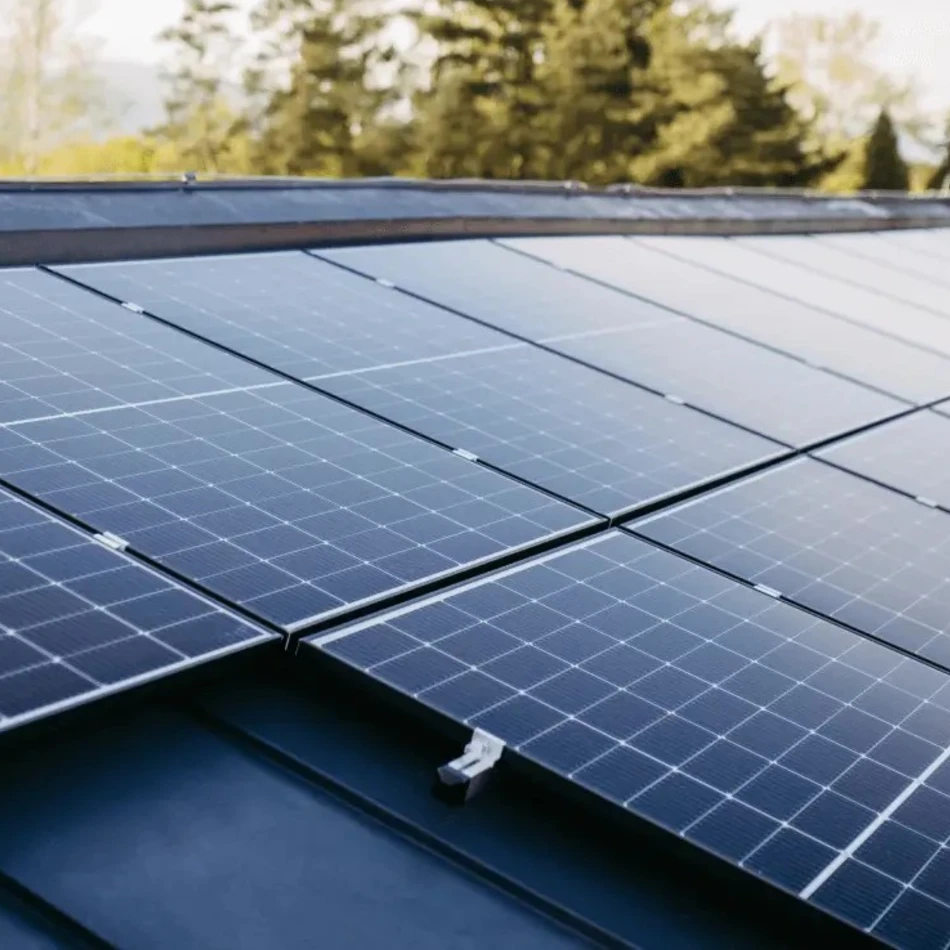
Across our country offices, we are embedding environmental stewardship into our day-to-day operations reducing our carbon footprint, inspiring communities, and leading by example. For example, in Sierra Leone, ChildFund and two local partners; Daindemben Federation and Munafa Mpatie Federation who have fully transitioned their offices to solar power with support from ChildFund. This clean energy shift reduces carbon footprint, lowers operational costs, and demonstrates our commitment to renewable energy solutions.

Project Spotlight

Moringa Value Chain Project in Emali, Kenya

Known as the “miracle tree”, Moringa is improving livelihoods and nutrition in Emali. Moringa Oleifera is a fast-growing, multipurpose tree that has leaves that can be eaten like spinach, roots, barks and leaves that can be dried and made into health supplements or ailment treatments, and seeds that can be used to aid water purification. Over 100 farmers are now cultivating moringa, and benefiting from the Moringa Value Chain Project. This initiative includes a commercial processing plant and is implemented in Kajiado and Makueni Counties with funding from the New Zealand government, ChildFund New Zealand, Barnfonden, and ChildFund Kenya. The project not only enhances local farming practices but also provides farmers with access to new markets, enabling them to enjoy the economic advantages of moringa cultivation.

Recent News

Sierra Leone

Solar power delivers uninterrupted learning to Koinadugu students

Fifteen-year-old Mariama dreams of becoming a medical doctor. But in the remote district of...

Read More

Zambia

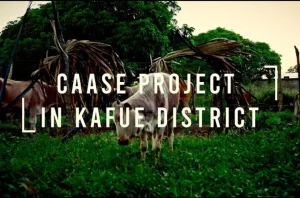
Clean Energy Solutions for Families in Kafue District – From Firewood to Biogas

Over 80% of households in Zambia rely on firewood or charcoal for cooking, contributing...

Read More

Kenya

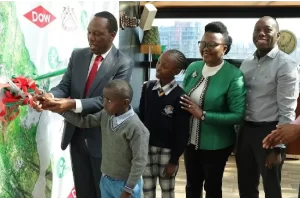
ChildFund partners with Dow to launch environmental sustainability project in Nairobi, Makueni, and Kajiado

In January 2024, ChildFund and Dow launched the Regreening Africa Project to counter the...

Read More

Ethiopia

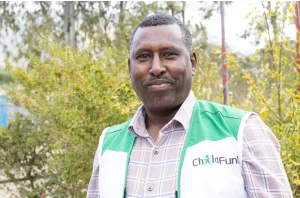
“I could never be happier elsewhere. This is where I belong.” – Sisay Worku

Meet Sisay — the man who, alongside communities and various partners, is driving ChildFund’s...
Read More