Without quality, safe, and inclusive education, Africa risks losing a generation
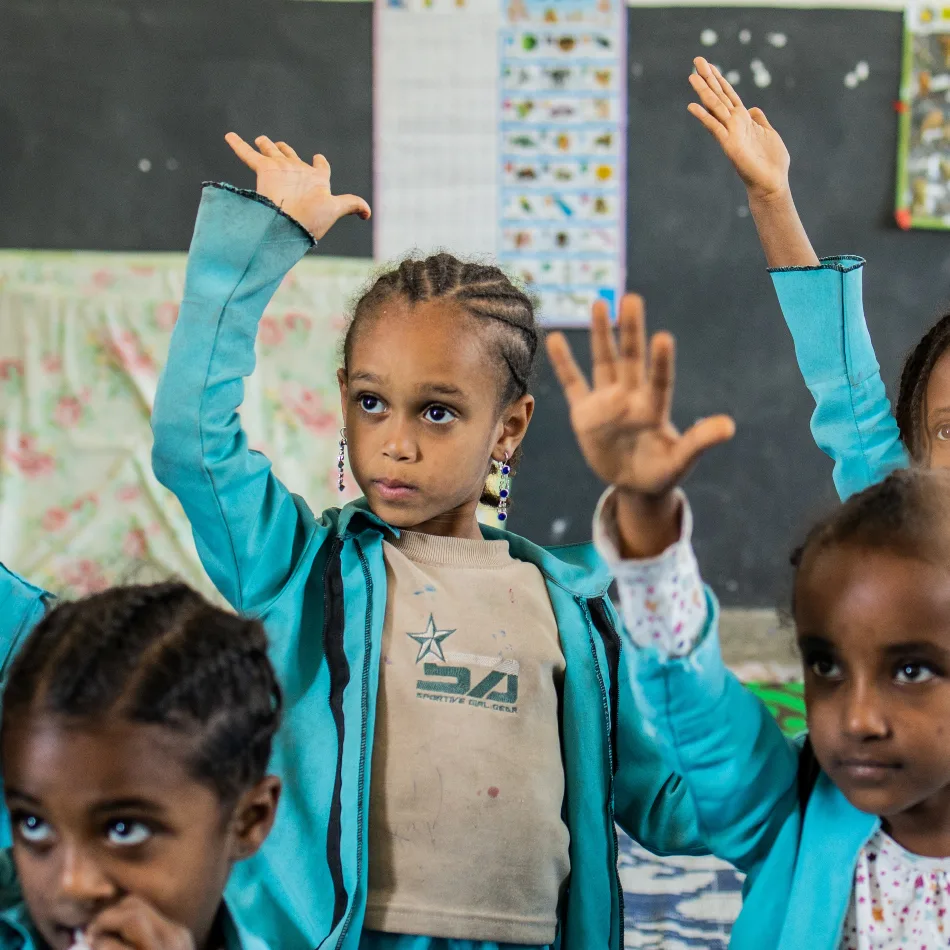
Across sub-Saharan Africa, access to education remains deeply unequal. Over one-fifth of primary-school-age children (roughly ages 6 to 11) are out of school, with the figure rising to one-third for youth aged 12–14, and nearly 60 percent of adolescents aged 15–17, are not attending school.
Learning poverty (children unable to read and understand a simple text by age 10) has reached crisis levels. Nearly 7 in 10 children in low- and middle-income countries are affected, while 87 percent of children in Africa fall into this category. This double burden of chronic exclusion and poor learning outcomes, driven by poverty, gender inequality, conflict, disability, and lack of technology, puts an entire generation at risk of being left behind.
Our Impact
1,116,000
300,000
3,400
1,200
21,000
700,000
1,000
Facts and figures from 2024 data.
OUR WORK
The quality of children’s learning and education depends on their home, school, community and nationwide education systems. ChildFund works across all those levels, with special emphasis on early childhood development, protection and basic education access and quality. We partner with local organizations and ministries of education in all our program countries to strengthen national and regional education systems and engage families in establishing community leadership for learning.
Click on a country below to learn more about our education programs.
Early Childhood Development (ECD)
Through our Early Childhood Development (ECD) programs, we lay strong foundations for lifelong learning by nurturing children’s cognitive, social, and emotional growth. Our approach supports families by working with local organizations and governments to create the conditions that young children need for healthy development during their earliest years.
Featured projects:
Reintegrating Out-of-School Children
ChildFund is scaling up efforts to support out-of-school children at primary and secondary levels, ensuring marginalized children, especially girls and children with disabilities, have opportunities to return to education. In The Gambia, reintegration programs have enabled 29,556 children (51% girls, 49% boys, including 1.5% children with disabilities) to enroll in school in 2024. In Sierra Leone, the “Increasing Access to Secondary School Education for Girls” project worked with communities and government to re-enroll adolescent girls who dropped out due to early marriage, pregnancy, or economic hardship. By July 2025, the project successfully reenrolled 230 girls.
Featured projects:
Digital Learning
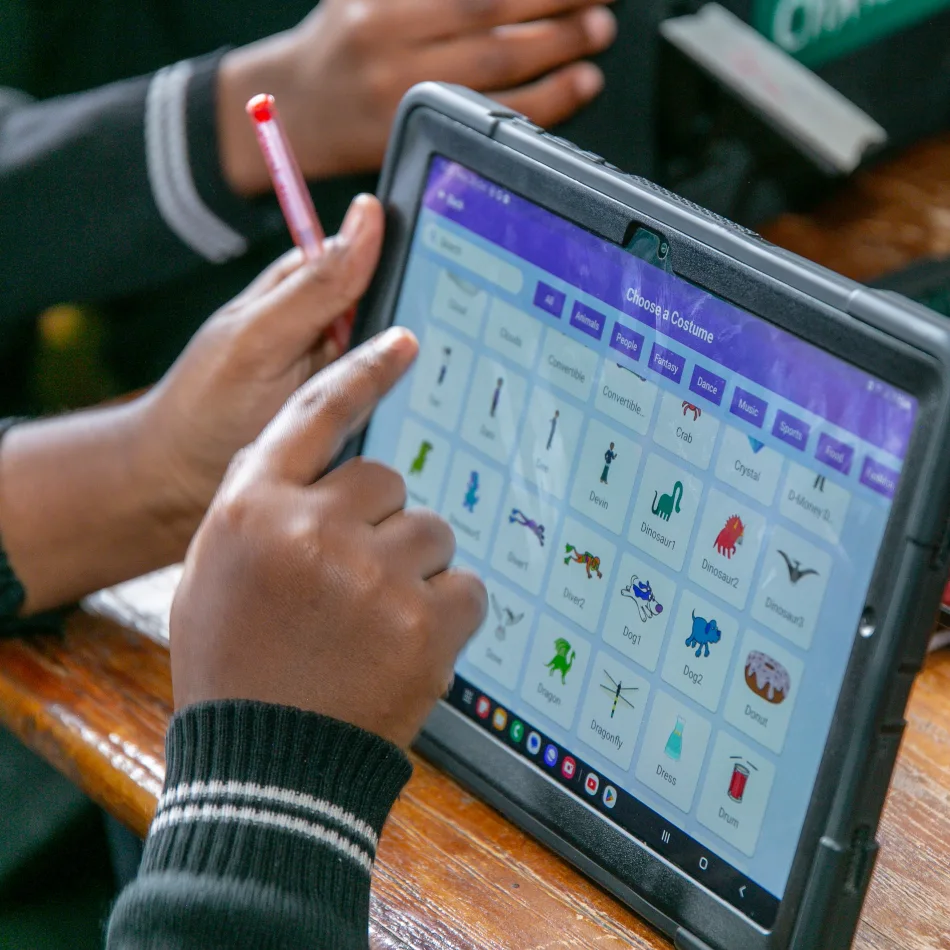
Recognizing technology’s role in education, ChildFund is expanding digital learning solutions to bridge the digital divide and improve access to interactive, learner-centered resources in underserved communities. Through digital platforms integrated in schools and learning spaces, we are enhancing literacy, numeracy, and life skills acquisition.
Featured projects:
- ChildFund, MasterCard Foundation, AMREF & Ministry of Health E-Learning Nursing Program in Zambia
- Digital Education project in Kenya
Tackling Learning Poverty
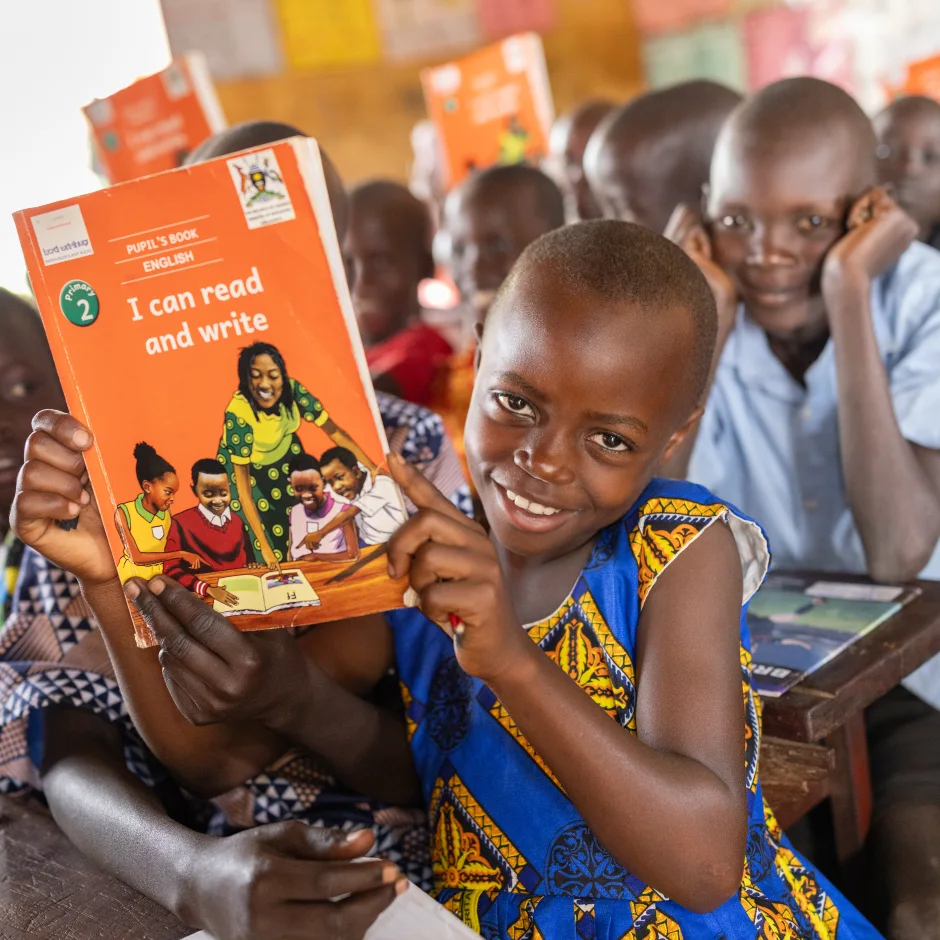
We are addressing learning poverty by focusing on foundational literacy and numeracy, improving learning outcomes through school-based interventions, community reading clubs, and caregiver engagement. In Kenya and Uganda, children in lower primary recorded significant gains in reading and numeracy proficiency within one academic year.
Featured projects:
- Universal Primary Education (UPE) schools receive 43,000 textbooks in Uganda
- ChildFund and Longhorn Publishers partner to implement early childhood development programs in Kenya
- Tharaka Nithi County, Kenya receives 6,000 books for ECD from ChildFund, ChildRise, and Longhorn
Social-Emotional Learning
Our Education for Well-being approach integrates social-emotional learning (SEL) into all education initiatives, equipping children, caregivers, and teachers with critical life skills like communication, emotional regulation, self-awareness, conflict resolution, and responsible decision-making. In Uganda, The Gambia, and Sierra Leone, we are partnering with Ministries of Education to mainstream SEL through teacher training, co-created SEL frameworks, and community-driven research. In 2024, 408,503 adolescents benefitted from our life skills curriculum, enhancing their resilience, problem-solving, and critical thinking abilities.
Education in Emergencies
In times of crisis, education is often disrupted, yet it remains a vital lifeline for children’s safety, well-being, and future. We help children continue learning during and after emergencies caused by conflict, displacement, or natural disasters. Working with communities, schools, and governments, we restore access to safe, inclusive, and protective learning environments. In crises, we:
- Establish temporary learning spaces.
- Provide education kits with age-appropriate learning materials and supplies.
- Train teachers to support children dealing with trauma and stress.
- Integrate psychosocial support and child protection into classroom settings.
- Construct and rehabilitate schools and school facilities to restore access to education.
Project Spotlight
Rebuilding schools damaged by conflict in Ethiopia's Amhara Region
Following conflict in Ethiopia’s Amhara Region, the Play Matters Project restored access to education for thousands of children. Funded by the International Rescue Committee, the project rehabilitated 10 schools in Kobo District, Amhara Region that had been damaged by conflict. The comprehensive response included classroom repairs, provision of furniture and learning materials, school uniforms, dignity kits, school feeding programs, and WASH (water, sanitation, and hygiene) facilities.
The project also trained teachers and students in pedagogy and learning-through-play techniques to enhance the quality of education. As a result, school attendance rose from 85% to 100%, reaching 10,136 children and helping ensure that learning continued even in the aftermath of the crisis.
Recent News
Sierra Leone
Solar power delivers uninterrupted learning to Koinadugu students
Fifteen-year-old Mariama dreams of becoming a medical doctor. But in the remote district of...
The Gambia
Zero Out-of-School Children: A National Push to Enroll 66,765 Children in The Gambia
Across The Gambia, more than 66,000 primary school-age children and adolescents are out of...
Uganda
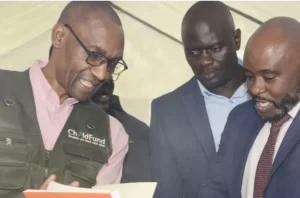
Universal Primary Education (UPE) schools receive 43,000 text books
At least 72 Government-supported primary schools in 32 districts across the country have been...
Ethiopia
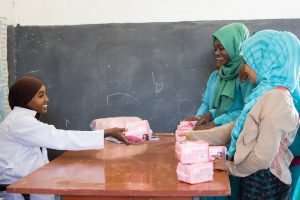
Menstruation doesn’t stop during conflict
In times of conflict, the urgent needs of girls and women are often overlooked,...