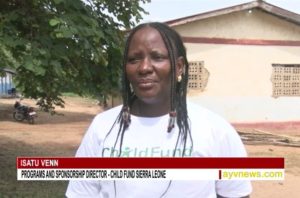
A lifetime of good health begins in childhood.
But children in under-resourced communities across Africa face serious health threats, including malnutrition, infectious diseases, and limited access to quality health care. One in three children under five lives in severe food poverty, which causes stunted growth, weak immunity, and higher susceptibility to preventable diseases; malaria alone kills over 260,000 children under five every year on the continent.
Working through trusted local partner organizations and directly with governments, ChildFund supports communities as well as local and national health systems to address children’s health needs from before birth to young adulthood. Our programs focus on several intersecting areas, creating impact leading to lifelong health for children, adolescents, youth and families no matter where they are.
Our Impact
3,620,000+
2,500,000+
200,000+
400,000+
194,556
Facts and figures from 2024 data.
OUR WORK
The quality of children’s learning and education depends on their home, school, community and nationwide education systems. ChildFund works across all those levels, with special emphasis on early childhood development, protection and basic education access and quality. We partner with local organizations and ministries of education in all our program countries to strengthen national and regional education systems and engage families in establishing community leadership for learning.
Click on a country below to learn more about our education programs.
Maternal and Child Health
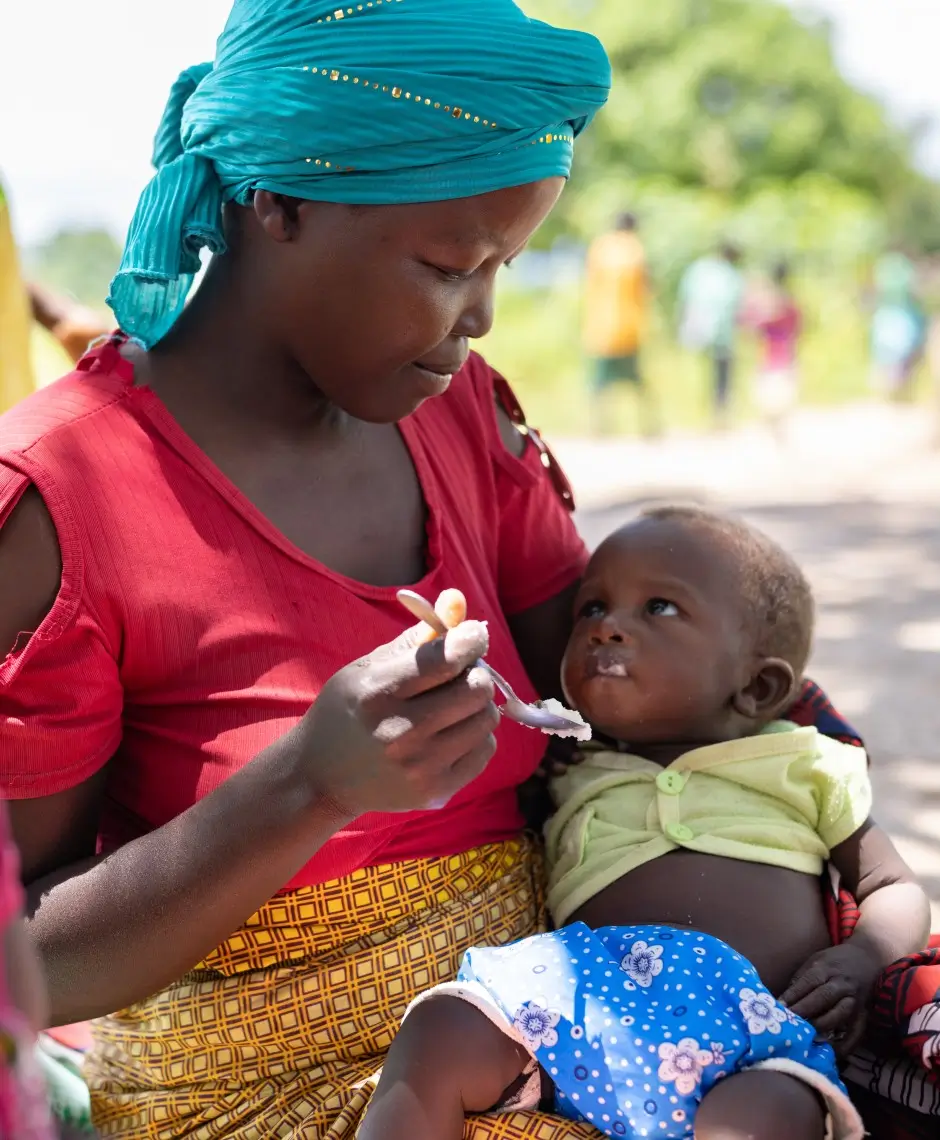
Poor health outcomes among mothers and children in under-resourced communities are driven by limited access to quality care, malnutrition, inadequate sanitation, low health literacy, inequality, and weak health systems. Strengthening health systems and promoting access to water, sanitation, hygiene, and nutrition are critical for keeping mothers and children healthy.
- Strengthening Community Health Workforce
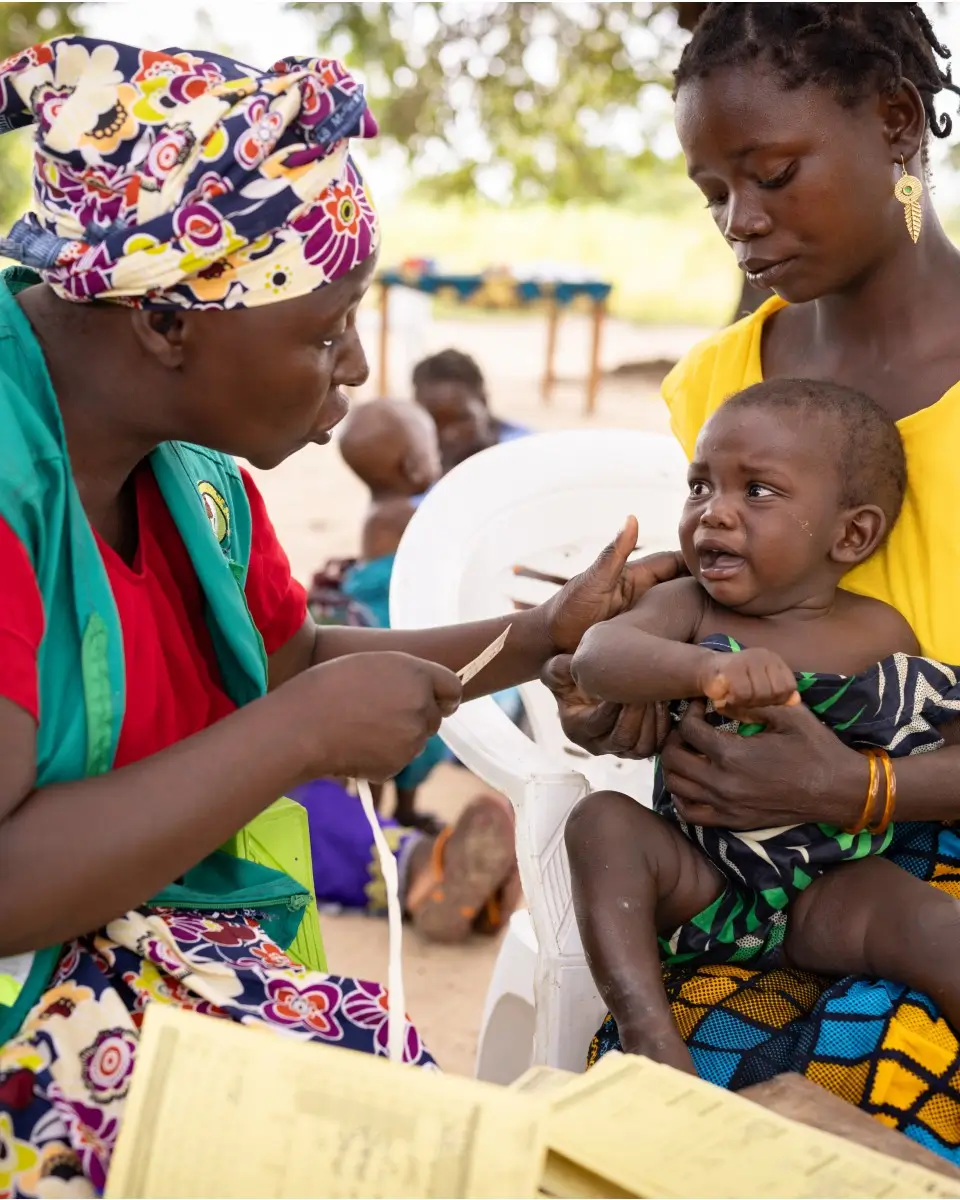
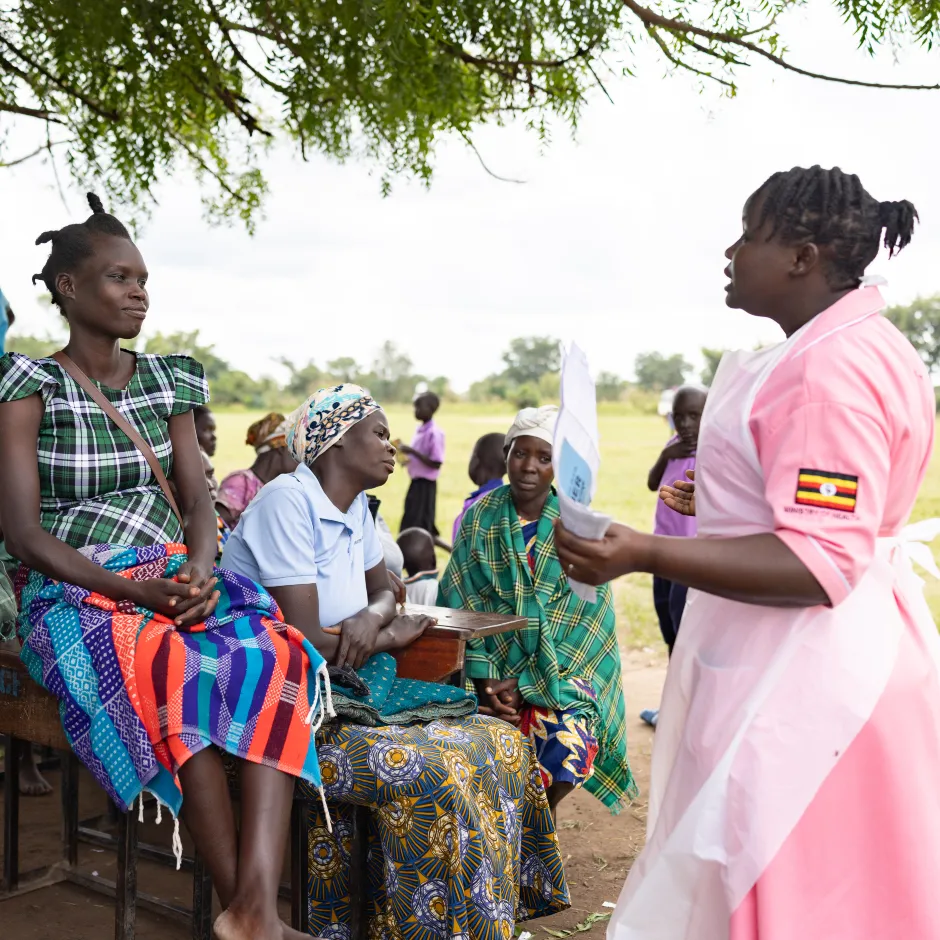
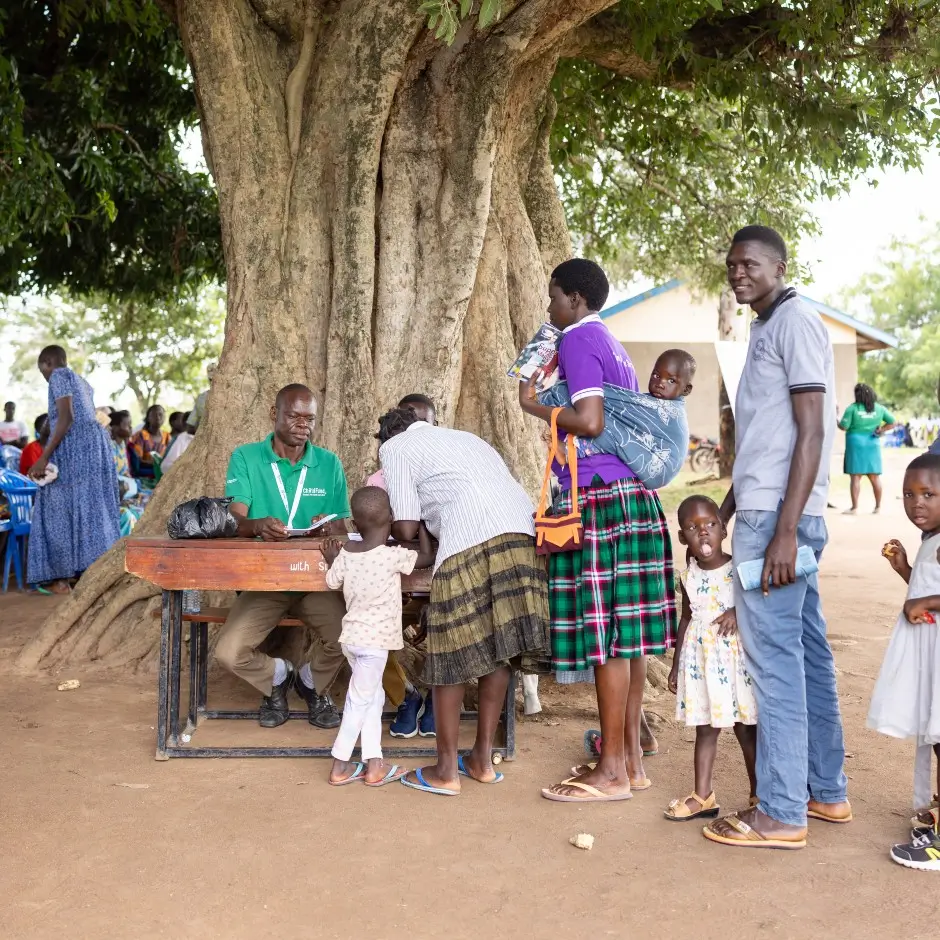
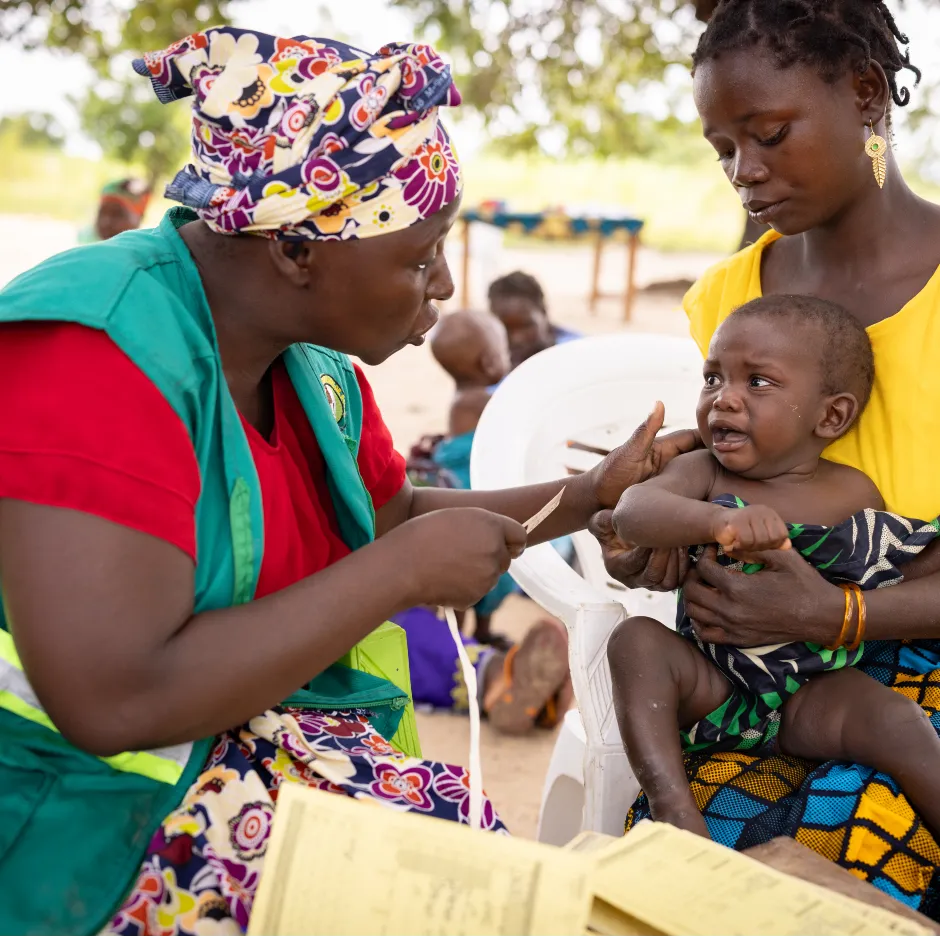
ChildFund trains and deploys community health workers to deliver essential health services directly in communities, including antenatal care, maternal and child nutrition counseling, routine immunizations, malaria prevention, and health education on water, sanitation, and hygiene (WASH) practices. Community health workers reach the most remote and marginalized populations, strengthening local health systems, improving early detection and treatment of illness, and promoting sustainable behaviors that support the lifelong health of children and families. - Engaging Community Leaders and Networks
We work with local leaders, women’s groups, and community networks to promote antenatal care, immunizations, and proper nutrition, while advocating for safe deliveries at home with a skilled birth attendant or in health facilities.
Featured projects:
- The Busia Maternal Newborn & Childhood Survival Project | Uganda
Using a community-based engagement approach, this three-year project led to a decrease in childhood illnesses and increased awareness on pregnancy, delivery, postpartum and newborn danger signs. - Lessons Learned from a Strengthened Partnership for Nurturing Care 2018 – 2021 | Kenya and Zambia
With funding from the Conrad Hilton Foundation, ChildFund led a multi-country initiative to address the needs of caregivers and their young children (3 and under) affected by HIV & AIDS in sub-Saharan Africa.
Nutrition
Malnutrition is widespread in African communities where ChildFund works, driven by poverty, food insecurity, and limited access to health care. Effective nutrition programming reduces under-5 deaths, prevents malnutrition-related diseases, and supports community stability and economic development. We promote healthy infant and young child feeding (IYCF) practices, train community health workers to provide nutrition services, and link families to local health systems. Our nutrition programming is often integrated with early childhood development initiatives under the Nurturing Care Framework.
- Strengthening Health Systems
Integrating nutrition interventions into existing health systems ensures sustainable, equitable access to quality care, including micronutrient supplementation, counseling, and treatment of malnutrition.
- Reaching the Most Marginalized
Programs prioritize vulnerable populations, including children, women, and those in remote areas, ensuring all communities can access nutrition services.
- Active Community Engagement
Community health workers screen, identify, and treat acute malnutrition, enabling early intervention, especially in hard-to-reach areas. - Promoting Infant and Young Child Feeding (IYCF)
Caregivers are educated on exclusive breastfeeding for the first six months and the introduction of nutrient-rich complementary foods, improving child nutrition and reducing malnutrition rates.
Water, Sanitation, and Hygiene (WASH)
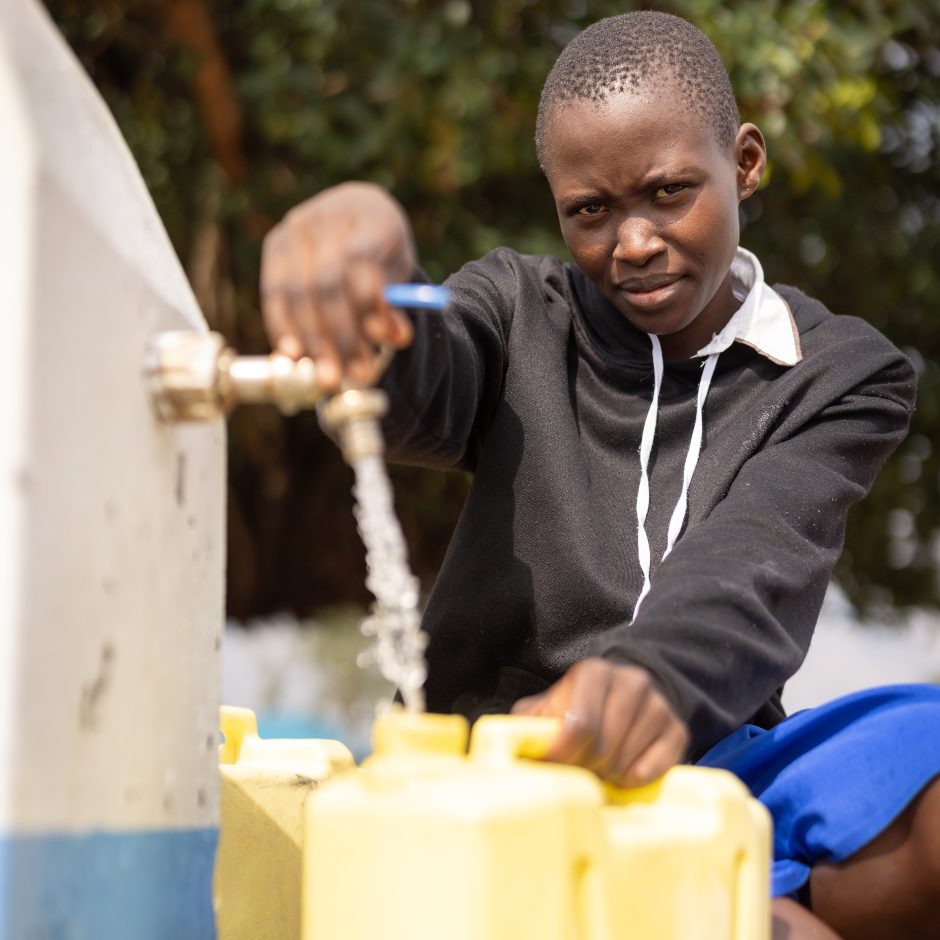
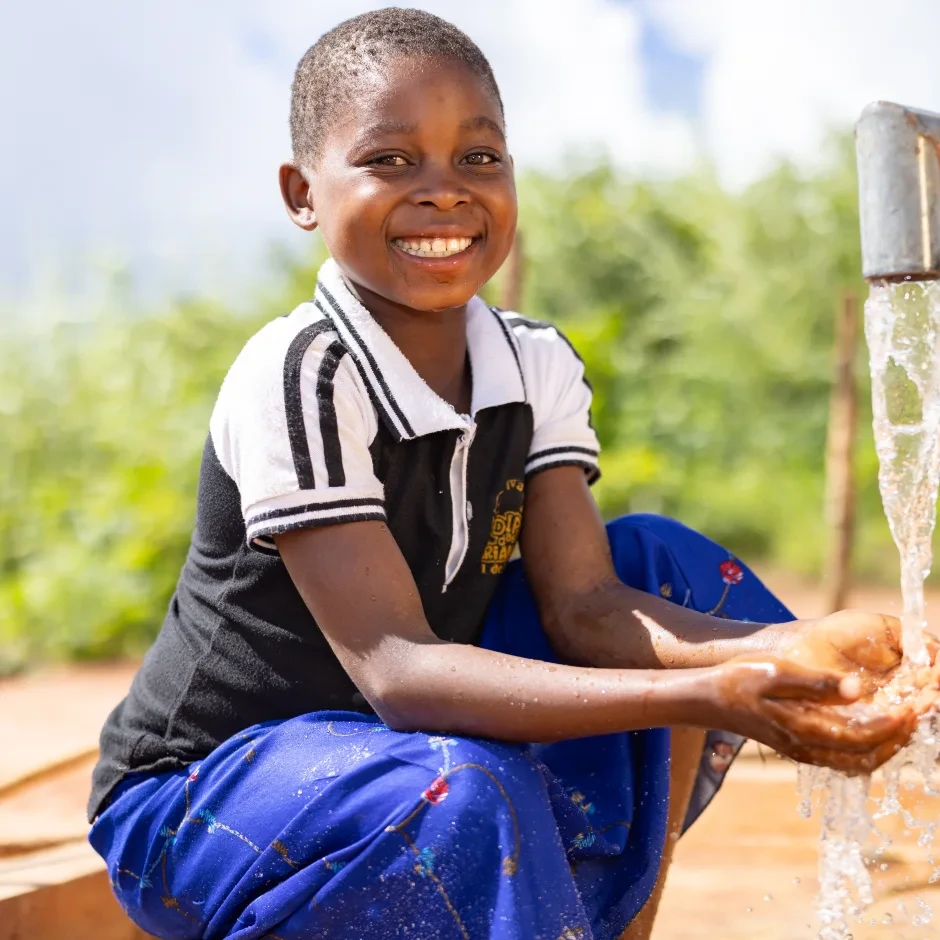
Unsafe drinking water and poor sanitation drive malnutrition, stunting, and the spread of preventable diseases such as cholera, diarrhea, and typhoid. Strong WASH systems protect public health, reduce disease transmission, and contribute to sustainable development.
- Improving Access to Water and Sanitation
ChildFund works with communities and local partners to build and rehabilitate safe water and sanitation facilities, including boreholes, wells, latrines, public taps, and handwashing stations, serving households, schools, and health facilities. - Local Water and Sanitation Committees
ChildFund supports committees through training, mentoring, and ongoing technical support to manage water sources and sanitation facilities, strengthening community ownership and long-term sustainability. - Behavior Change and Hygiene Promotion
Education programs promote safe water use, hygiene practices, and proper sanitation, including handwashing and routine facility maintenance.
- Improving Access to Water and Sanitation
Featured projects:
- Clean water in Homa Bay County | Kenya – Over 7,500 residents along Lake Victoria now have access to clean water after ChildFund, DuPont and Davis & Shirtliff commissioned an ultra-filtration water treatment plant at Nyagina Beach. Learn more.
- Muchimadzi Water Project in Nyimba District | Zambia – ChildFund, with partners, commissioned an ultra-filtration water plant reducing dangerously high iron levels in the community’s water and providing clean water to households, schools, and patients. Learn more.
- Children’s Safe Drinking Water | Sierra Leone – This project, supported by Procter and Gamble, provides clean water to over 47,320 children and their families, reducing their reliance on unsafe sources. Learn more.
- Nairobi WASH (Mazingira Bora) Project | Kenya – This project provided water, sanitation and hygiene interventions aimed at improving management of waste disposal, increasing access to safe water and improving hygiene practices to decrease waterborne disease among children ages 0-14. Use of micro-membrane filters increased from 1% to 76.20%. Children’s water access increased from 77% to 89.7%, and the rate of water systems protected from contamination increased from 38% to 41%. Learn More
- Community and School WASH project in Mukuru and Kasarani Informal Settlements, Nairobi | Kenya
The goal of this program was to deliver WASH interventions to improve waste disposal, increase access to and use of safe water, improve hygiene practices in households and decrease waterborne disease among children between 0-14 years. Learn More - WASH Project in Oromia Region | Ethiopia
This project addressed the lack of potable water in this region through restoring damaged boreholes and public water fountains, providing structure maintenance and promoting public health information on environmental sanitation. This led to improved access to safe water for the communities and public health awareness and hygiene promotion for more than 64,932 people affected by drought. Learn More
Infectious Diseases
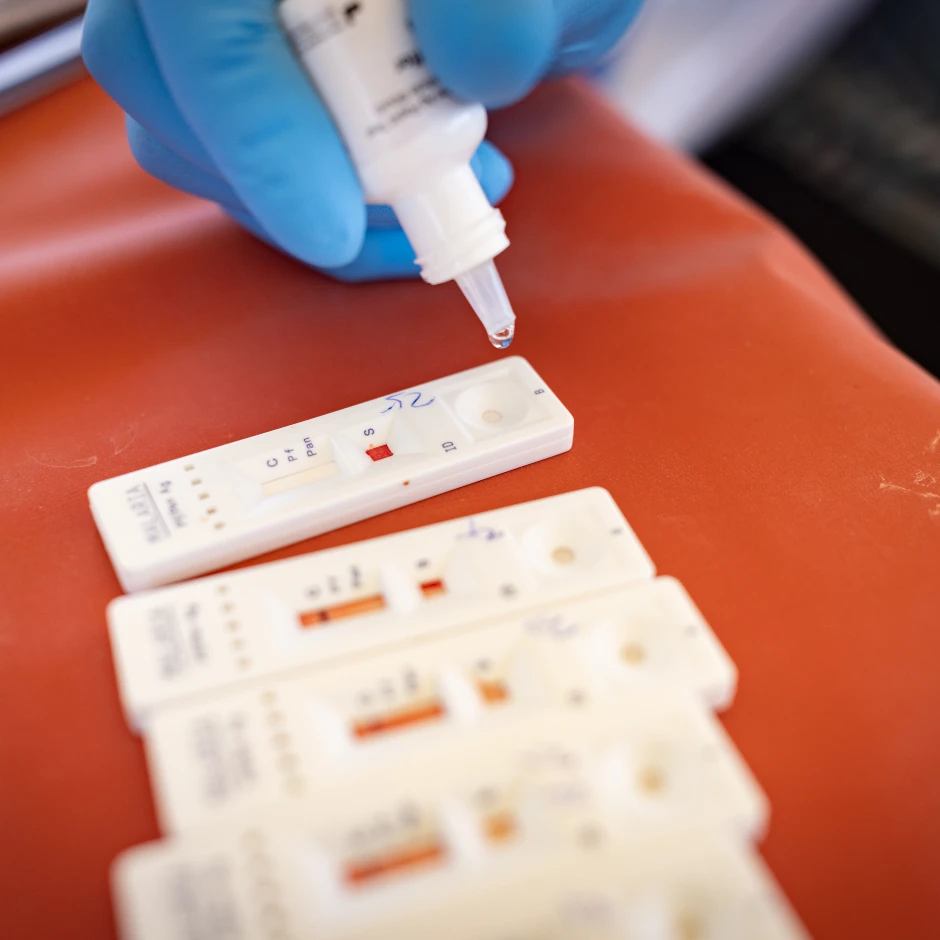
Malaria remains the leading cause of death among children under five in many African countries, while tuberculosis disproportionately affects vulnerable groups, including children, pregnant women, and people living with HIV. Prevention and treatment not only reduce the disease burden but also help mitigate social disruption and economic costs. ChildFund engages communities through education, preventive practices, testing, and treatment for malaria and TB, while training local health workers to reach even the most remote populations. These health workers educate communities, conduct testing, and distribute preventive measures such as insecticide-treated bed nets, while regular outreach and awareness campaigns in rural areas strengthen preventive practices, encourage timely treatment, and build trust in local health systems.
Featured projects:
Menstrual Hygiene Management
Many girls in Africa miss school during their periods due to limited access to sanitary products, safe washrooms, and accurate information, while stigma and taboos further affect their confidence and participation.
ChildFund addresses these challenges by providing menstrual hygiene education in schools and communities, distributing dignity kits, improving access to water and sanitation facilities, and creating safe spaces for girls to learn and discuss menstruation without shame. In contexts of conflict and displacement, we prioritize gender-sensitive WASH facilities and essential menstrual supplies so girls and women can manage their periods safely and with dignity.
Featured projects:
- Improving reproductive health for adolescents | Senegal
The PASSAJE project in Diourbel and Thies regions strengthened the sexual and reproductive health of adolescents and youth by constructing 16 sanitary blocks in schools equipped with washbasins, water tanks, and sanitary towel chutes, and installing 16 boreholes to provide safe water. The project increased the proportion of girls practicing appropriate menstrual hygiene from 40% to 83.8%, boosted male involvement in menstrual hygiene management from 18% to 64.5%, and reduced school absenteeism due to menstruation from 12.5% to 5.3%. Youth-led advocacy prompted local authorities to allocate budgets for health infrastructure and awareness-raising, while 90.8% of adolescents and youth adopted positive reproductive health behaviors, supported by strengthened capacities of teachers and peer educators to ensure sustainability. Learn more.
Adolescent and Youth Health
Young people in many communities face significant reproductive health (RH) challenges, including limited access to information, services, and support. These barriers contribute to risks such as early pregnancy, sexually transmitted infections, and unmet health needs, affecting their overall well-being and future prospects.
To tackle these challenges, ChildFund works closely with local partners to implement targeted interventions that promote healthy behaviors and improve access to essential RH services. We connect youth to nearby health centers offering critical services like HIV/AIDS prevention, voluntary counseling and testing (VCT), and other vital care.
Featured project:
- In Ethiopia, ChildFund has constructed a total of 21 youth-friendly reproductive health centres that provide services to an estimated 1,500,000 youth in 5 regions of Amhara, Addis Ababa, Central Ethiopia, Southern Ethiopia, and Oromia, every year.
Supporting Governments to Strengthen Health Systems and Provision of Drugs and Medical Supplies
Across Africa, many health systems face persistent challenges, including shortages of essential medicines, overstretched facilities, and limited access to care for vulnerable populations. Inequities in distribution and weak supply chains further restrict children’s and families’ access to lifesaving treatments, undermining health outcomes and community resilience.
ChildFund partners with governments, local organizations, and peer agencies to strengthen health systems, improve access to essential medicines, and ensure equitable care for children, women, and marginalized populations. This includes collaborating with partners such as MAP International and other humanitarian and health-focused organizations to deliver medicines and pharmaceutical supplies to public health facilities, supporting treatment for common childhood illnesses, enhancing women’s health services, and easing pressure on overstretched health systems.
Featured projects:
- ChildFund and MAP International deliver USD 25M lifeline in diabetes medication to Ministry of Health
- Donated medicines help reduce maternal and child mortality in rural communities in Sierra Leone
- ChildFund hands over medicines and pharmaceuticals worth USD 2 million to Gambia’s Ministry of Health
Project Spotlight
Rebuilding schools damaged by conflict in Ethiopia's Amhara Region
Following conflict in Ethiopia’s Amhara Region, the Play Matters Project restored access to education for thousands of children. Funded by the International Rescue Committee, the project rehabilitated 10 schools in Kobo District, Amhara Region that had been damaged by conflict. The comprehensive response included classroom repairs, provision of furniture and learning materials, school uniforms, dignity kits, school feeding programs, and WASH (water, sanitation, and hygiene) facilities.
The project also trained teachers and students in pedagogy and learning-through-play techniques to enhance the quality of education. As a result, school attendance rose from 85% to 100%, reaching 10,136 children and helping ensure that learning continued even in the aftermath of the crisis.
Recent News
Sierra Leone
Solar power delivers uninterrupted learning to Koinadugu students
Fifteen-year-old Mariama dreams of becoming a medical doctor. But in the remote district of...
The Gambia
Zero Out-of-School Children: A National Push to Enroll 66,765 Children in The Gambia
Across The Gambia, more than 66,000 primary school-age children and adolescents are out of...
Uganda
Universal Primary Education (UPE) schools receive 43,000 text books
At least 72 Government-supported primary schools in 32 districts across the country have been...
Ethiopia
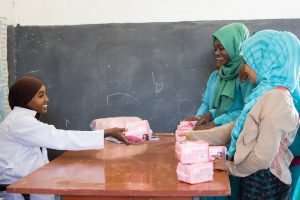
Menstruation doesn’t stop during conflict
In times of conflict, the urgent needs of girls and women are often overlooked,...