Menstruation doesn't stop during conflict
May 7, 2025
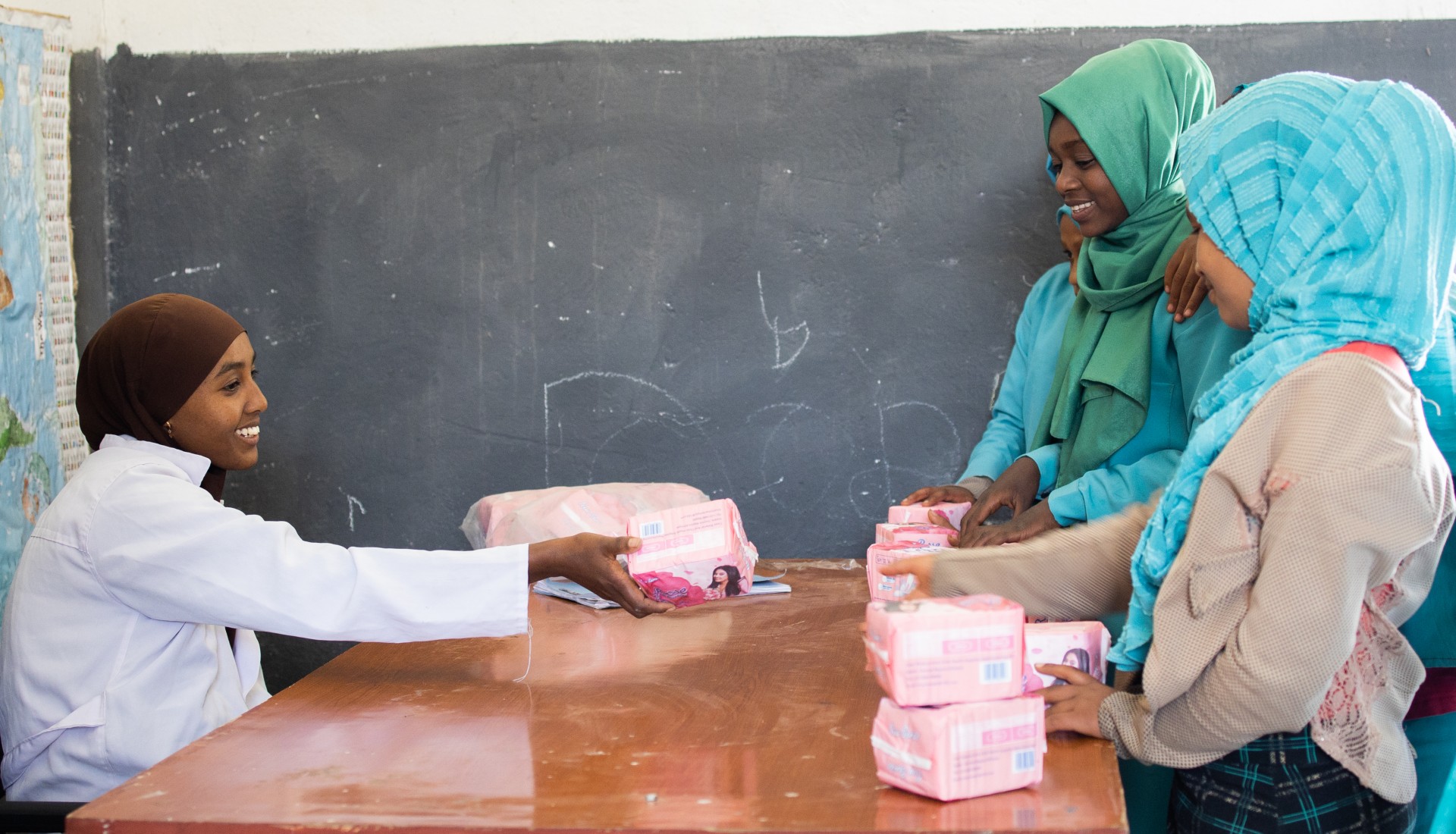
Girls at a ChildFund-supported school, affected by conflict in Kobo District, receive sanitary towels from Teacher Saada, the patron of the Girls' Club.
In times of conflict, the urgent needs of girls and women are often overlooked, especially when it comes to menstrual health. While food, shelter, and safety are prioritized in emergencies, access to sanitary products, private washrooms, and clean water is rarely guaranteed. For adolescent girls, this can mean facing their periods in silence, using makeshift materials, missing school, and suffering in shame.
In Ethiopia, conflict has displaced thousands of families, forcing them to leave everything behind. Among them are adolescent girls like Rabiya (15), Birtukan (14), and Seada (16 and 15), who now live in temporary shelters in Kobo District in Amhara Region. Managing their menstrual health has become even more difficult.
“Buying sanitary towels for me is the last thing my mother can think of right now,” Rabiya said. “She is struggling to buy food to feed the whole family because we lost everything when we ran away when people started fighting.”
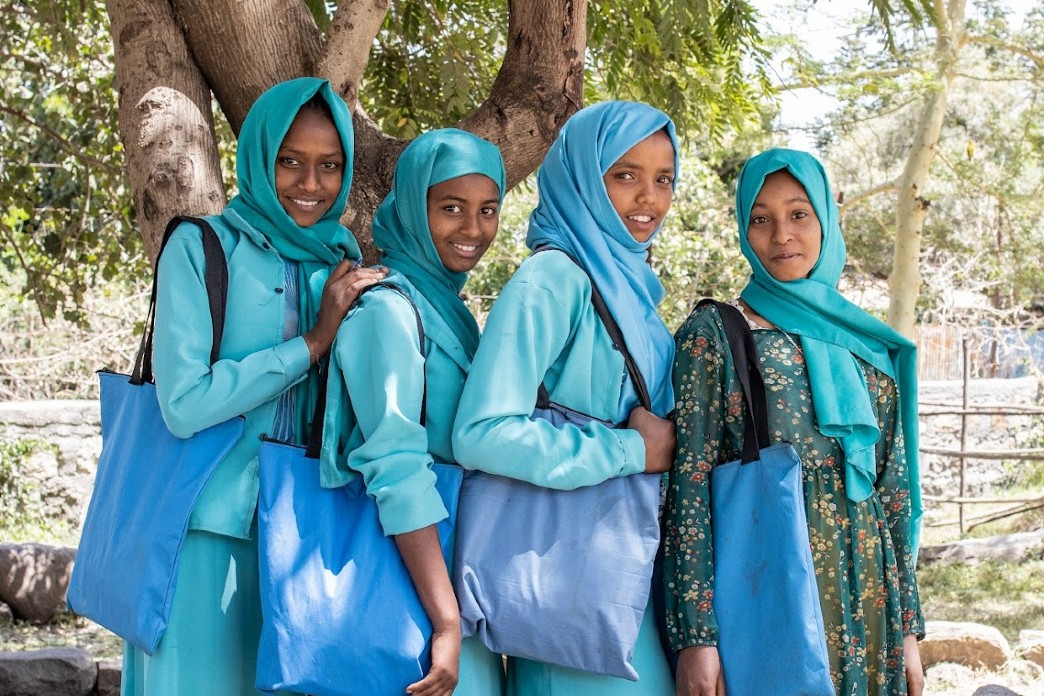
To respond to this critical need, ChildFund is providing dignity kits, containing sanitary towels, soap, underwear, and other essential hygiene items, to adolescent girls in conflict-affected areas. Alongside this, girls receive training on menstrual hygiene management, helping them understand their bodies and care for themselves with confidence.
“Our school attendance rate for girls has shot up to 99% from 80% since the girls started receiving dignity kits and menstrual health training,” said Mohammed Hussen, the school director at the school. “Before, many girls would miss several days every month. Now they come to school confidently. Nobody even knows if they are on their periods or not.”
Fourteen-year-old Birtukan, one of the girls benefiting from the program, shared her own experience: “Before I got the dignity kit, I would stay at home during my period because I was using old clothes and was afraid that they would leak and stain my clothes. It can be so embarrassing! Now I feel confident and go to school like everyone else.”
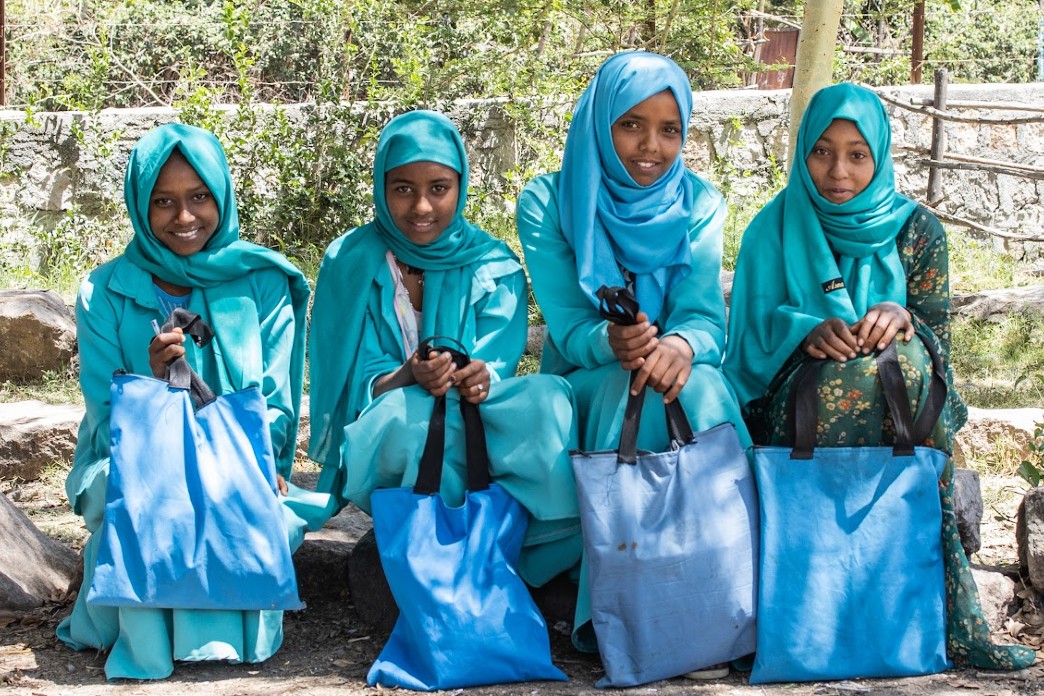
This intervention is part of a broader effort under the Play Matters Emergency Response Project, funded by the International Rescue Committee and implemented by ChildFund in partnership with local organizations. The project supports 10,136 students across 10 schools (five in Mersa and five in Woldia) who are part of internally displaced populations, returnees, and host communities affected by conflict and displacement.
Through this initiative, children receive educational support, including the rehabilitation of schools, classroom furniture, and scholastic materials, so they no longer miss out on their right to learn. The project also integrates water, sanitation, and hygiene interventions (including the distribution of dignity kits for girls), as well as child protection, health, and nutrition services.
“We cannot talk about access to education without addressing the barriers girls face in managing their periods with dignity. In addition to providing dignity kits, we’re rebuilding essential water and sanitation infrastructure. This includes repairing pipelines, installing safe toilets, and creating private spaces where girls can manage their periods” says Sisay Worku, ChildFund’s Emergency Response Manager. ”
“No girl should miss out on education because of her period. By integrating menstrual health into our emergency response, we ensure that every girl has the support she needs to stay in school — no stigma, no shame, just the dignity to manage a natural part of growing up,” Sisay concludes.




Related Resources