

“I could never be happier elsewhere. This is where I belong.” - Sisay Worku
May 7, 2025
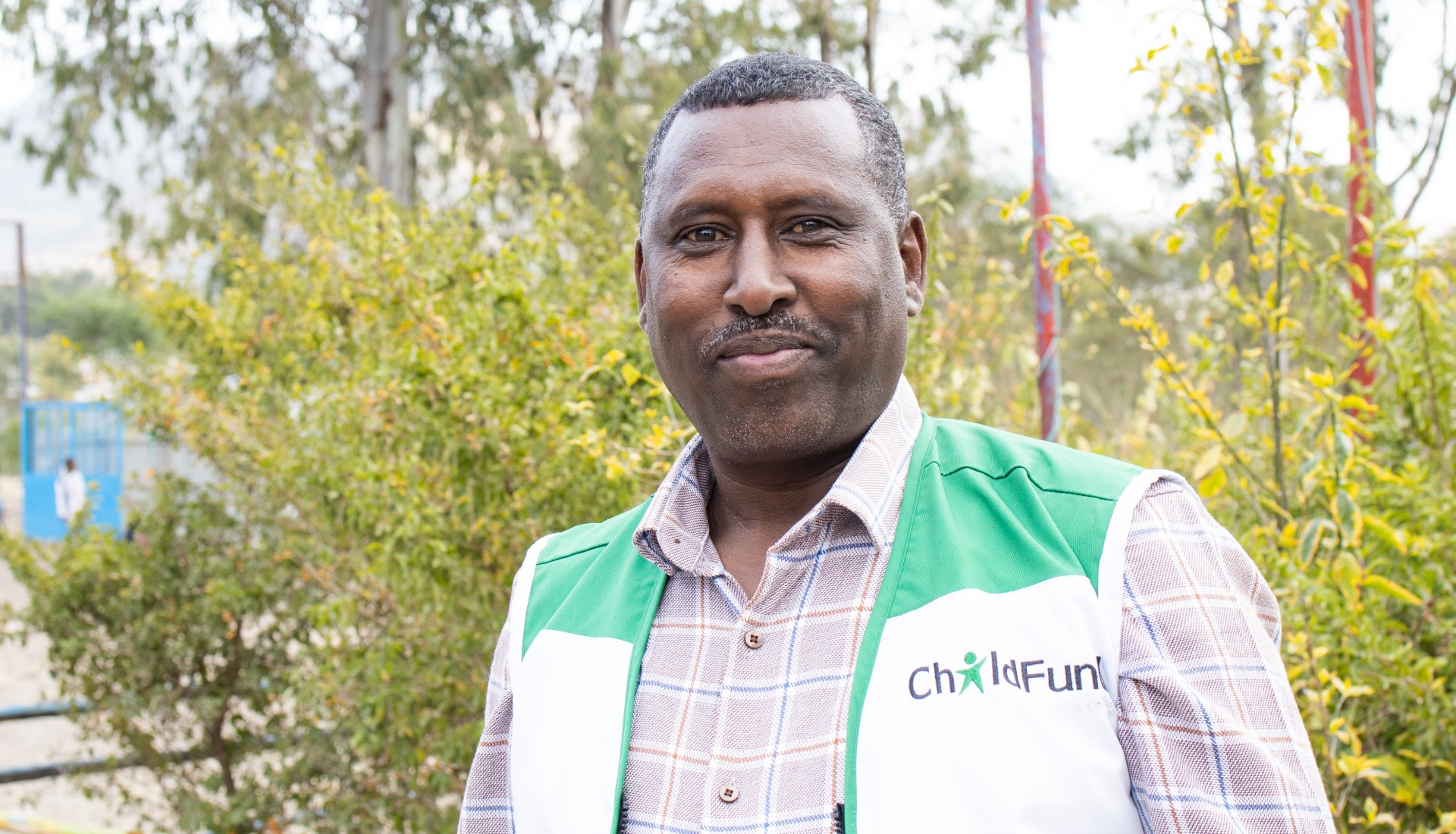
Sisay Worku, Manager, Emergency Programs at ChildFund Ethiopia.
Meet Sisay — the man who, alongside communities and various partners, is driving ChildFund’s emergency response program in Ethiopia, which is reaching thousands of children and families across the country with various life-saving interventions.
He is currently leading the implementation of ChildFund International’s and Children Believe’s emergency response program in Tigray, Ethiopia’s northernmost region that has been greatly affected by conflict.
We asked him a few questions about his work and here’s his story of passion and commitment to supporting children and communities in crisis:
How long have you been a humanitarian worker?
For over 30 years. I started in 1993, responding to drought emergencies in the Blue Nile Gorge in Northern Ethiopia. I was working with the Canadian Physicians for Relief and Aid.
Why do you do what you do?
Interestingly, sometimes I also ask myself the same question! The children, youth and communities we work with are my biggest inspiration. I love helping people. I want to see them rising from the ashes and achieving their dreams and living better lives. I want to see people succeed. Being a humanitarian worker gives me great satisfaction and a sense of purpose.
At one point in my career, I left for the private sector, but I returned to ChildFund because I felt I did not belong there. I felt detached from real life. I always knew that this was where I belonged – working with communities. That’s why I came back.
What is the most challenging thing about your work?
It can be very frustrating and stressful when we are unable to reach certain communities that are in distress. Sometimes certain remote locations can be completely inaccessible due to conflict, lack of roads, or cost implications.
Sometimes we have the resources, but we are unable to get them to the communities that need them the most. And sometimes, we don’t have enough resources to meet every child’s needs.
The travel time can also be such a pain. Ethiopia is a very big country, over 1.1 million km². There are times we spend a whole day or even two to three days on the road to get to a specific location.
What keeps you going?
Despite the challenges, there is always so much to look forward to. Positive things are happening. It’s the big things and the small things. For example, when we fix water piping that was destroyed during the conflict. The smiles, cheers, and happiness you see on children’s and parent’s faces when clean water starts gushing out again from a tap is very fulfilling. You feel like you have truly made a difference.
What would you tell a young person who wants to become a humanitarian worker?
Don’t pursue this career for the money! Or any career for the money. Do what you are passionate about. Pursue that which you believe in, and you will succeed. Be ready to sacrifice certain comforts because this work is all about getting things done at the community level. Touching people at their point of need. It’s the simple things that matter the most.
You must be adaptable. Be quick to adjust to different contexts and situations as they happen. And always be ready for the unexpected. You must also be a team player because responding to emergencies is never a one-man job or one organization. You must learn to work with people and establish connections for you to get things done efficiently and cost-effectively.
Despite the challenges, there is always so much to look forward to. Positive things are happening. It’s the big things and the small things.
Is there any humanitarian worker who inspires you?
I have always looked up to Lemma Asfaw. He is the Ethiopia Associate Country Director at Children Believe, a ChildFund Alliance member. His dedication, hard work, and commitment to helping communities in need is beyond admirable. He is undoubtedly my role model.
There are two other people who I admire greatly. One is Benjamin Phillips, the former Director of the Emergency Management Unit at ChildFund International, and Lilly Omondi, our Country Director. Their commitment, work ethic and focus on getting things done, always keep us on our toes, making sure work gets done as it should, not just to tick a box but to achieve impact.
What is your area of expertise?
Education in Emergencies (EiE), disaster preparedness, relief support, natural resource management, food security, livelihood development, child protection, climate change mitigation and adaptation, and Water, Sanitation and Hygiene (WASH).
What plans do you have for the future?
I have personal and organizational goals. My personal goal is to become one of Ethiopia’s leading experts in the humanitarian sector. A brand known for impact and results.
My organizational goal is to contribute my level best to make ChildFund Ethiopia one of the leading INGOs known for impactful humanitarian response programs in Ethiopia. I want to make ChildFund’s Ethiopia Emergency Response Unit massive, reaching millions of children in all corners of Ethiopia. And I am elated that we have finally begun our operations in the Tigray Region.
Tell us more about the Tigray Emergency Response Project.
The Tigray Humanitarian Response Project, a pilot initiative implemented jointly with Children Believe, encompasses interventions in education, water, sanitation, hygiene, child protection, and the provision of non-food items.
One of the biggest projects we’ve implemented so far is the Education in Emergency Project (July 2023 to June 2024). Through this USD 243,510 intervention, funded by ChildFund International, Children Believe and ChildFund Germany, we supported over 8,500 people, including 3,400 children, in Kilte Awlaelo Woreda of the Eastern Zone. This included school rehabilitation, furnishing learning spaces, providing scholastic materials, and offering psychosocial support.
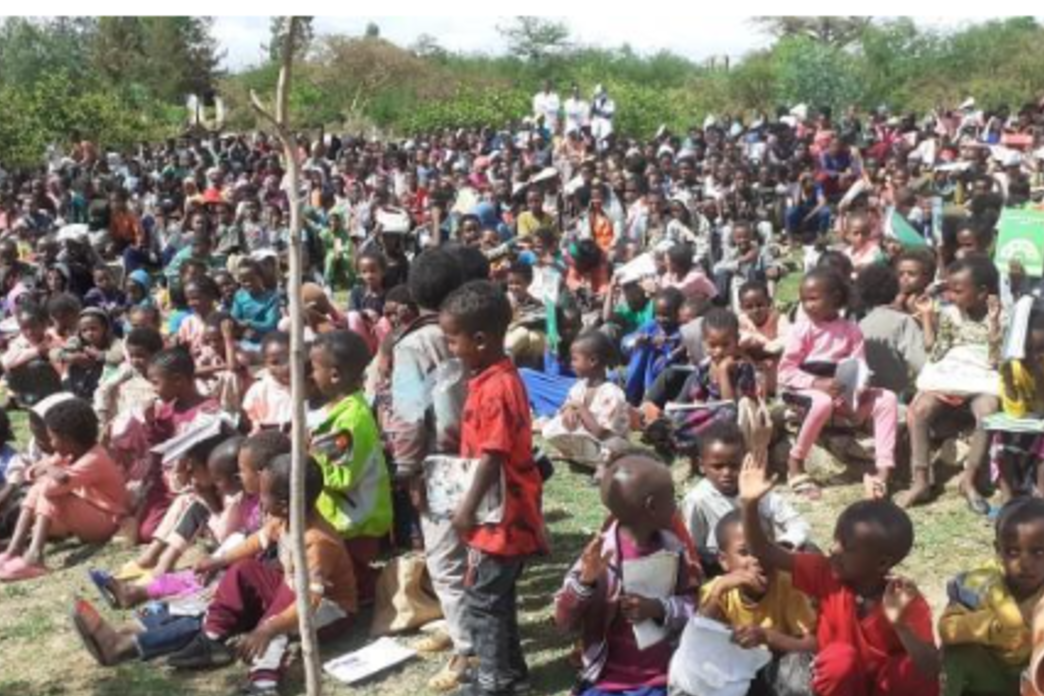
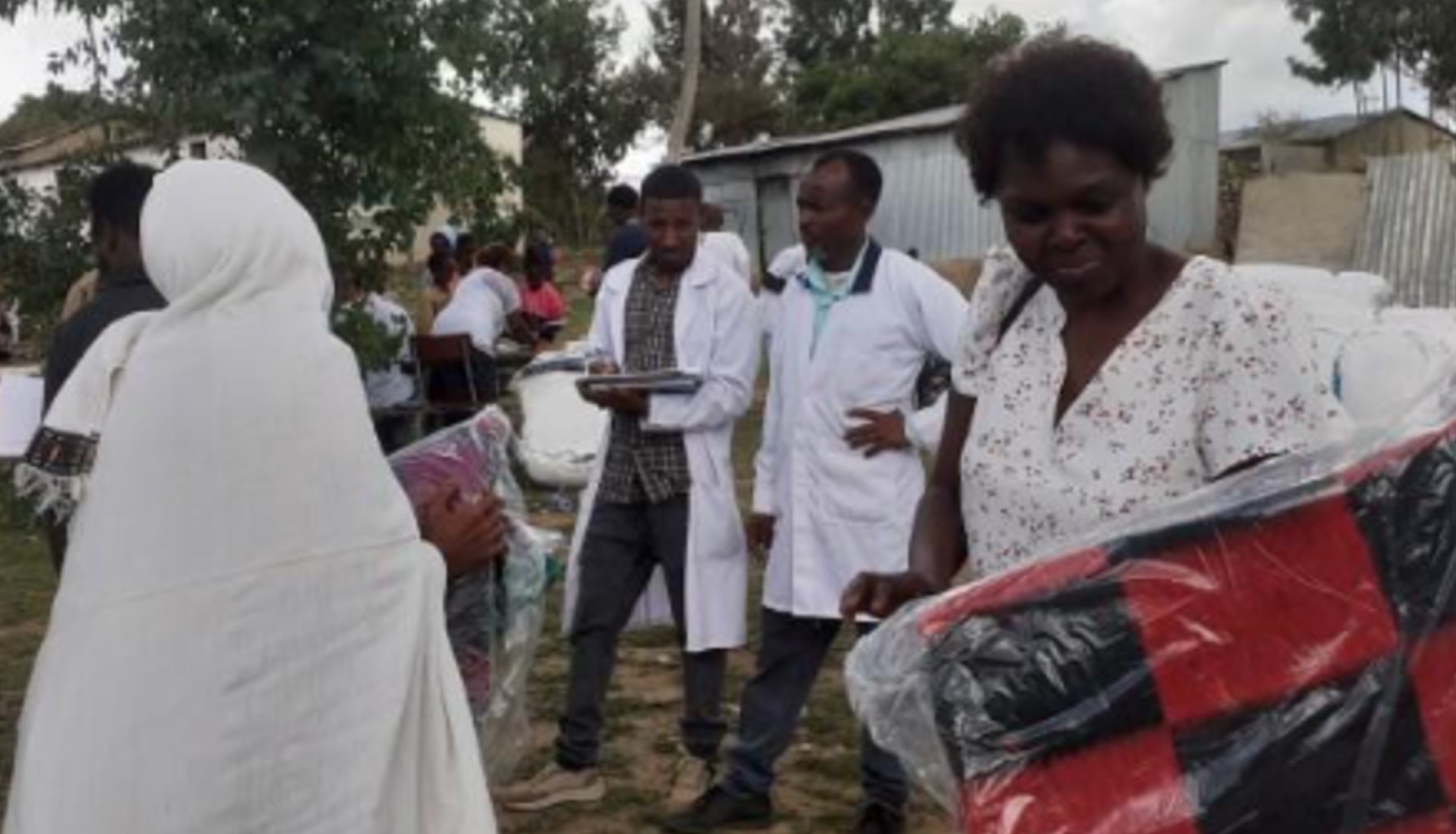
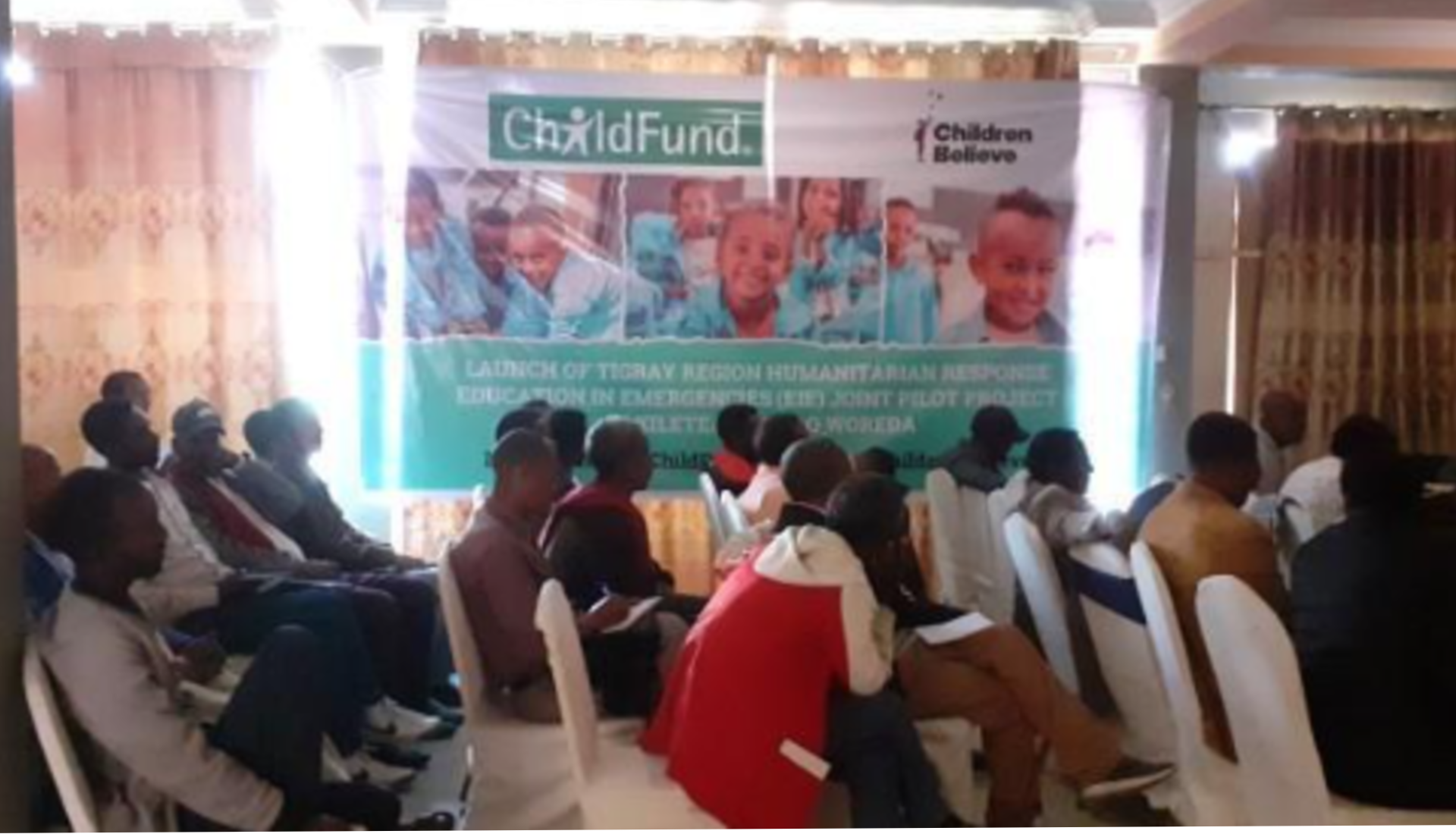
The Tigray Humanitarian Response Project, a pilot initiative implemented jointly with Children Believe, encompasses interventions in education, water, sanitation, hygiene, child protection, and the provision of non-food items.




Related Resources
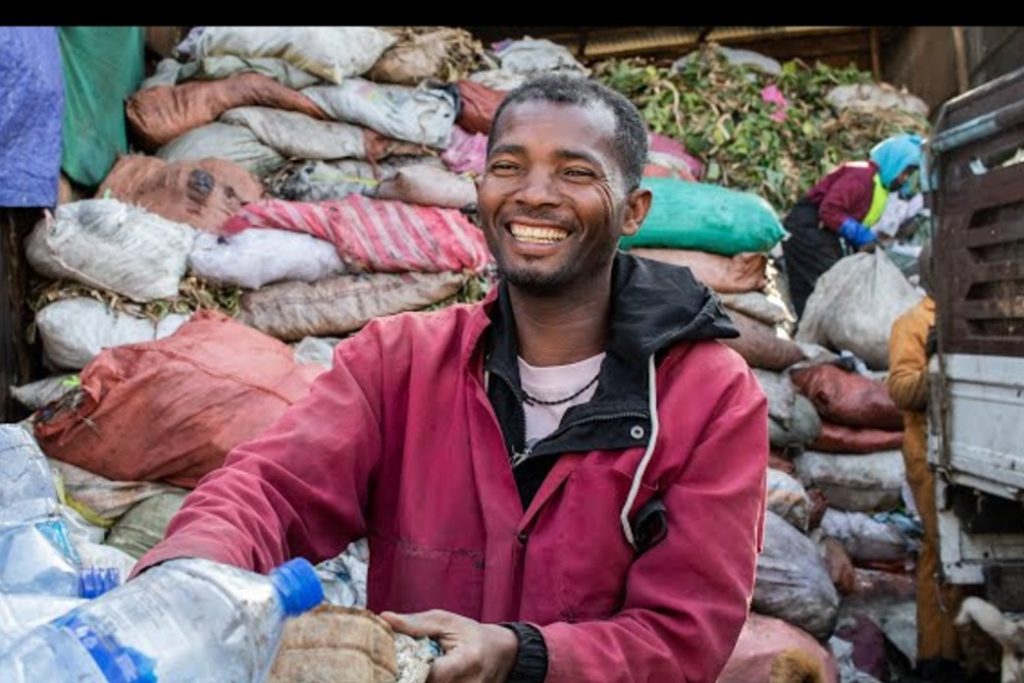
From waste to wealth: Transforming livelihoods through recycling in Addis Ababa
Beyond its environmental impact, the project is strengthening household economies by creating sustainable livelihoods.
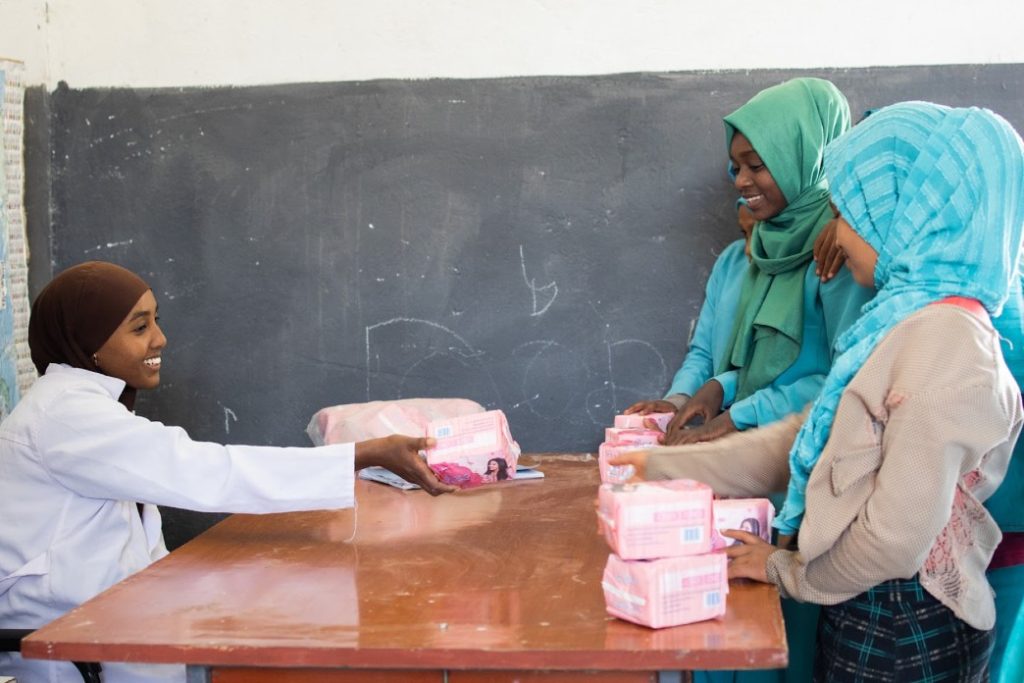
Menstruation doesn’t stop during conflict
The impact is already visible. With access to menstrual products and safe spaces to manage...
ChildFund response to drought emergency in Oromia Region
coordinated life-saving assistance and strengthened the resilience of children and families through a range of...